Don’t buy it just because it looks cool

Saltwater Aquarium Invertebrate Guides

Shrimp, crabs, urchins, sea stars, and clams are some of the coolest animals you can add to a saltwater aquarium. They’re also completely different from one another. They don’t eat the same food, need the same amount of space, or belong in the same kind of tank.

So before you bring one home, let’s slow down for a minute and make sure it actually fits your aquarium. I’ll walk you through what to check, which animals are realistic for a beginner, and which ones I would leave at the store for now.

Two skunk cleaner shrimp standing on white sand beside aquarium rock
Shrimp are fun to watch, but make sure you know exactly which shrimp you’re buying and whether your fish will leave it alone.
Tuxedo urchin showing blue bands and short spines against a white background
Urchins are fantastic algae eaters, but they need enough food and room to roam.

Let’s narrow it down

What Kind of Invertebrate Do You Want?

Start with the animal that caught your attention and why you want it. Are you looking for a shrimp that’s fun to watch, an urchin that eats algae, or something that may help with a pest? Once you know the goal, it’s much easier to ask the right questions.

1

Shrimp

Cleaner shrimp, fire shrimp, and peppermint shrimp are all interesting, but they don’t behave exactly the same way.

  • Know which shrimp you’re buying
  • Make sure your fish won’t eat it
  • Give it a place to hide, especially when it molts

Learn more about shrimp

2

Crabs and pest helpers

Maybe you love the crab, or maybe someone told you it will eat a particular algae or pest. Either way, don’t count on one animal to magically fix the tank.

  • Identify the problem first
  • Find out what else the animal may eat
  • Have a plan if it ignores the job you bought it for

Learn more about crabs

3

Urchins and sea stars

These animals can be incredible additions, but the name of the group doesn’t tell you what the individual animal eats or how much space it needs.

  • Check what the exact animal eats
  • Make sure there will be enough food
  • Secure loose corals and rockwork

Learn more about urchins and stars

4

Clams and filter feeders

This is where the care can become much more specific. The right light, food, flow, placement, and stable water all matter.

  • Research the exact species
  • Know where its food will come from
  • Make sure you have enough room as it grows

Learn more about filter feeders

5

Animals I would skip for now

Sea apples, many sea cucumbers and sea slugs, octopuses, and other highly specialized animals may look amazing at the store. That doesn’t make them a good beginner purchase.

  • Some need a very specific food source
  • Some can decline quickly
  • Some can create a serious problem if they die or are injured

See what I would choose instead

Before you bring it home

Is Your Tank Actually Ready for This Animal?

Your aquarium can be fully cycled and still not be ready for a particular invertebrate. A young tank may not grow enough algae for an urchin. A fish that seems peaceful may eat a shrimp. A clam may need more light and stability than your tank can provide right now.

If the store can’t tell you exactly what the animal is or how it has been cared for, I would not buy it yet.

What exactly is it?Get more than a vague store label. You need care information for the animal that is actually in front of you.
Has the tank settled in?Look for stable water, the right habitat, and enough food. The age of the tank by itself doesn’t answer those questions.
How big will it get?Find out where it likes to move and whether it may climb, bulldoze, sting, pinch, bury things, or crawl into equipment.
What will it eat?Know the food before you buy the animal. If it is supposed to eat algae or a pest, decide what you’ll feed it when that food is gone.
Will everything get along?Ask whether the new animal could hurt your fish, corals, or other invertebrates—and whether any of them might hurt it.
How should you bring it home?Ask the seller how it was shipped and kept. Then pay close attention to salinity, temperature, handling, hiding, molting, and how it behaves during the first few days.
Still missing an important answer?Wait. The animal will still be there after you figure out what it eats, how big it gets, and whether it belongs in your tank.
What if it doesn’t work out?Know whether the store will take it back or whether a local hobbyist can responsibly rehome it. Never release aquarium animals or water into the wild.

The animals you’ll see most often

Four Invertebrate Groups Worth Understanding

I can give you a useful overview here, but I can’t give one care sheet for every shrimp, crab, urchin, star, or clam. Once you find an animal you like, look up that exact species before you buy it.

Two skunk cleaner shrimp with long white antennae on a reef aquarium sandbed

Great animals to watch

Cleaner, fire, peppermint, and other shrimp

Shrimp have some of the best personalities in a reef tank. A skunk cleaner shrimp may stay out where you can see it, while other shrimp spend much more time hiding. Peppermint shrimp are often sold for Aiptasia control, but individual shrimp don’t always read the job description.

  • Make sure your fish aren’t likely to eat the shrimp
  • Ask what it is eating now and how the seller received it
  • Give it a safe hiding place when it molts

What I would do: start with one clearly identified shrimp that fits your tank. Don’t buy a mystery shrimp and expect it to solve a problem.

Green emerald crab photographed close up on aquarium rock

Behavior can vary

Crabs and animals sold for pest control

Some crabs and shrimp really can help with a particular algae or pest. The problem is that no animal is a guarantee. One emerald crab may happily eat bubble algae, while another ignores it and looks for easier food.

  • Make sure you have identified the problem correctly
  • Find out what else the animal may eat
  • Be ready for it to ignore the pest—or bother something you wanted to keep

What I would do: use the animal as one part of the solution, not the entire plan.

Tuxedo urchin showing blue bands and short spines on a white background

Food matters

Urchins, sea stars, brittle stars, and relatives

I love sea urchins. They’re fascinating to watch and many are fantastic algae eaters. But that does not mean every urchin—or every sea star—belongs in a new or small tank. Some graze, some scavenge, some hunt, and some slowly starve when the aquarium cannot produce enough of the food they need.

  • Look up the diet of the exact animal
  • Check its adult size and how it moves around the tank
  • Secure loose rocks and coral frags before an urchin starts redecorating

What I would do: choose an urchin or star only after you can explain exactly what it will eat six months from now.
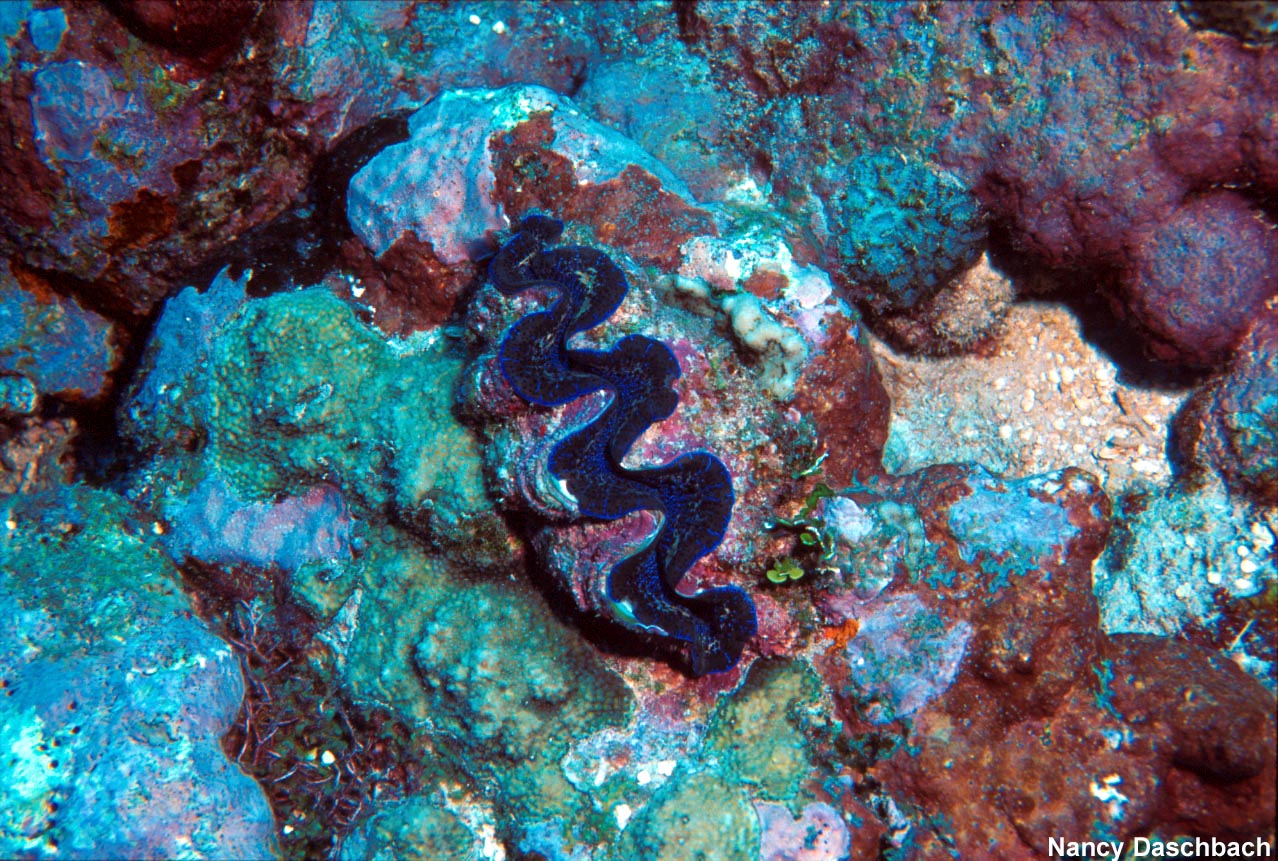
Giant clam with a dark blue mantle growing on a coral reef

Giant clam in American Samoa. Photo: Nancy Daschbach/NOAA.

More demanding

Clams, feather dusters, and other filter feeders

“Filter feeder” sounds simple, but it really isn’t. You still need to know what the animal eats, whether that food is actually reaching it, whether it also depends on strong light, and how large it may become.

  • Check its food, light, flow, placement, and adult size
  • Make sure the aquarium is stable enough for that exact animal
  • Choose aquacultured or responsibly sourced livestock whenever you can

What I would do: if your feeding plan is “the tank will probably have enough,” wait until you have a better answer.

A quick store checklist

Seven Questions to Ask Before You Buy

1. What exactly is it?Don’t settle for a broad common name. Get the best identification you can and research that animal.
2. Why do you want it?Is it for display, algae control, leftover food, pest control, or simply because it looks amazing?
3. What does it eat?Be able to name the food and explain where it will come from after the animal enters your tank.
4. What could it bother?Think about your fish, corals, sand bed, rockwork, pumps, drains, and other invertebrates.
5. What could bother it?A peaceful-looking fish, hungry crab, stinging coral, exposed pump, or unstable tank can all cause trouble.
6. How do you get it home?Ask how the seller kept it and follow instructions for that shipment. There is no single acclimation timer that works for every invertebrate.
7. What if it doesn’t work out?Know the early signs of trouble and where you could return or responsibly rehome the animal.

Look past the label

“Reef Safe” Doesn’t Tell You Everything

“Reef safe” is a useful starting point, but animals don’t all behave exactly the same way. Hunger, size, tankmates, and the amount of space in the aquarium can change what happens.

Ask two simple questions: Could this animal bother anything I already have, and could anything I already have hurt it?

FishCould one of your fish swallow, chase, or pick at the new animal? Could the new animal pinch, trap, or eat a fish?
Corals and anemonesCould it eat, bury, knock over, or constantly crawl across a coral? Could an anemone or coral sting and eat it?
Other invertebratesCould a crab, shrimp, sea star, or snail compete with it, steal its food, attack it, or become its next meal?
Rockwork and equipmentCould it move a loose rock, carry off a coral frag, crawl into a pump, block a drain, or climb out of the aquarium?
Feeding timeWill faster animals steal all the food? Will you have to add so much food that the rest of the tank suffers?
Six months from nowWill this still work when the animal is larger or when the algae, pest, or other food source is gone?

One quick clarification

Not Every Invertebrate Belongs on This Page

Technically, corals, anemones, snails, and hermit crabs are all invertebrates too. I separated them on this website because you’re usually trying to answer a different question when you look for them.

Cleanup CrewStart with the Cleanup Crew guide for snails, small hermit crabs, conchs, and other animals you’re choosing mainly to help with algae or leftover food. Please don’t use a fixed “one animal per gallon” rule.
Corals and anemonesUse the coral and anemone guides for help with lighting, flow, placement, stability, and stinging neighbors.
Hitchhikers and pestsIf you didn’t intentionally add the animal, first figure out what it is. That is a troubleshooting question, not a stocking question.
Very difficult animalsI’ll explain why some of them are tempting, but my normal advice for a beginner will be to wait until you have the tank and experience they require.

Here’s your next move

What Should You Do Next?

You do not have to leave the store with an animal today. A good decision may be choosing one that fits, fixing one problem first, or deciding that a different animal would be better for your tank.

You found a good fit

You know exactly what the animal is, what it eats, how large it gets, and whether it will get along with everything else. Great. Compare one or two realistic options and choose the healthier animal from a seller you trust.

Compare the animal groups

Fix one thing first

Maybe the animal will fit later, but you still need to confirm its food, make room, protect a pump, let the tank settle, or learn how the seller wants you to acclimate it. Take care of that first, then come back to the animal.

Review stable water conditions

Choose something else for now

If you can’t provide enough food, the animal will outgrow the tank, or one mistake could put the whole aquarium at risk, I would choose something easier. That is not a failure. It is how you avoid an expensive and frustrating mistake.

Keep building a stable tank

Keep learning

Use These Guides Next

Choose the guide that answers the next question you actually have—whether that is selecting a Cleanup Crew, checking your fish, bringing livestock home, or making sure the tank is stable.

Do you really need a Cleanup Crew?

Use this guide for snails, small hermit crabs, conchs, and other animals you are choosing mainly to help with algae and leftover food.

Open the Cleanup Crew guide

Bringing your first invertebrates home

The Week 4 guide walks through seller questions, acclimation, introduction, and what to watch during the first few days.

Read the Week 4 arrival guide

Will your fish leave it alone?

A fish’s adult size, diet, mouth size, territory, and hunting behavior can determine whether a shrimp, crab, or sea star stays safe.

Review beginner saltwater fish

Are your water parameters stable?

Start with the recommended ranges, then check whether the exact animal you want needs anything more specific.

Review recommended parameters

Is the tank still new?

If the aquarium is still cycling, maintenance is inconsistent, or a pump is not protected, finish those jobs before adding a sensitive animal.

Open the setup guides

Keep the tank clean and stable

Target feeding can add a surprising amount of waste. Water changes, detritus removal, clean equipment, and daily observation still matter.

Review the water-change guide

Common beginner questions

Other Invertebrate FAQs

Are all shrimp part of the Cleanup Crew?

No. Shrimp may eat leftover food, but many are added because they look great and are fun to watch. A peppermint shrimp sold for Aiptasia control is a different decision from a skunk cleaner shrimp you want as a visible aquarium resident.

Does “reef safe” mean the animal can’t cause problems?

No. It is a helpful label, not a promise. Check the exact animal, its adult size, what it eats, and how it is likely to behave around your fish, corals, rockwork, and equipment.

How old should my tank be before adding an urchin, sea star, or clam?

There isn’t one magic age. I would look at whether the water has been stable, whether the right food is consistently available, and whether the aquarium has enough room and the correct habitat for that particular animal.

Can I buy an animal to solve algae or a pest?

Sometimes an animal can help, but please don’t treat it as a guaranteed cure. Identify the problem, fix the reason it appeared, and make sure you still want and can feed the animal after the original problem is gone.

What should I do if I no longer want an invertebrate?

Contact the seller, a responsible aquarium store, or an experienced local aquarist about return or rehoming. Never release aquarium animals or aquarium water into natural waterways.

Do I need a full species guide before choosing anything?

Not to start looking. This page should help you narrow down the kind of animal that may work. Before you buy, though, you should still confirm the needs of the exact species in front of you.

A little more homework

Why I’m Careful with These Recommendations

This page is meant to help you make a smart first decision. It is not one universal care sheet for every invertebrate. The sources below explain why identity, food, light, grazing behavior, sourcing, and responsible rehoming all matter.

Giant clams need more than a “filter feeder” label. NOAA explains the relationship between giant clams and their photosynthetic symbionts, while its 2024 status review covers adult suspension feeding and the major nutritional role of those symbionts. Read NOAA’s sanctuary overview and giant-clam status review.
Urchins and stars do not share one job. Smithsonian’s echinoderm overview shows how broad this group really is, and Smithsonian research describes the important grazing role of many reef urchins. Review the echinoderm overview and reef-urchin research.
Exact identity matters. U.S. Fish and Wildlife Service guidance recommends confirming the scientific name and care details with the vendor instead of relying on a broad common-name category. Read the identification and handling guidance.
Never release aquarium animals or water. The same federal guidance recommends returning or responsibly rehoming unwanted animals and keeping live organisms and untreated aquarium water out of natural waterways and storm drains. Review the responsible-disposal guidance.

Before you bring it home

Make the care routine fit the animal

Shrimp, urchins, sea stars, clams, and filter feeders can have very different feeding and stability needs. Make sure the routine you already have can support the exact animal instead of hoping the animal will fit the routine later.