Affordable saltwater aquarium guide
Affordable Saltwater Aquarium Setups: 3 Complete Builds by Budget

Here is how I would choose.
If I were starting from scratch, I would not shop for the cheapest tank. I would choose the least expensive complete setup that I could maintain consistently.
- Choose the 10-gallon build when the lowest possible upfront cost matters most.
- Choose a 15- to 20-gallon all-in-one for the best balance of price, simplicity, and stability. This is my recommendation for most beginners.
- Choose the 40-gallon build when you have the space and want the most room to grow.
Affiliate disclosure: This article contains Impact affiliate links. If you purchase through one, I may earn a commission at no additional cost to you. My recommendations stay the same whether or not you use the links.
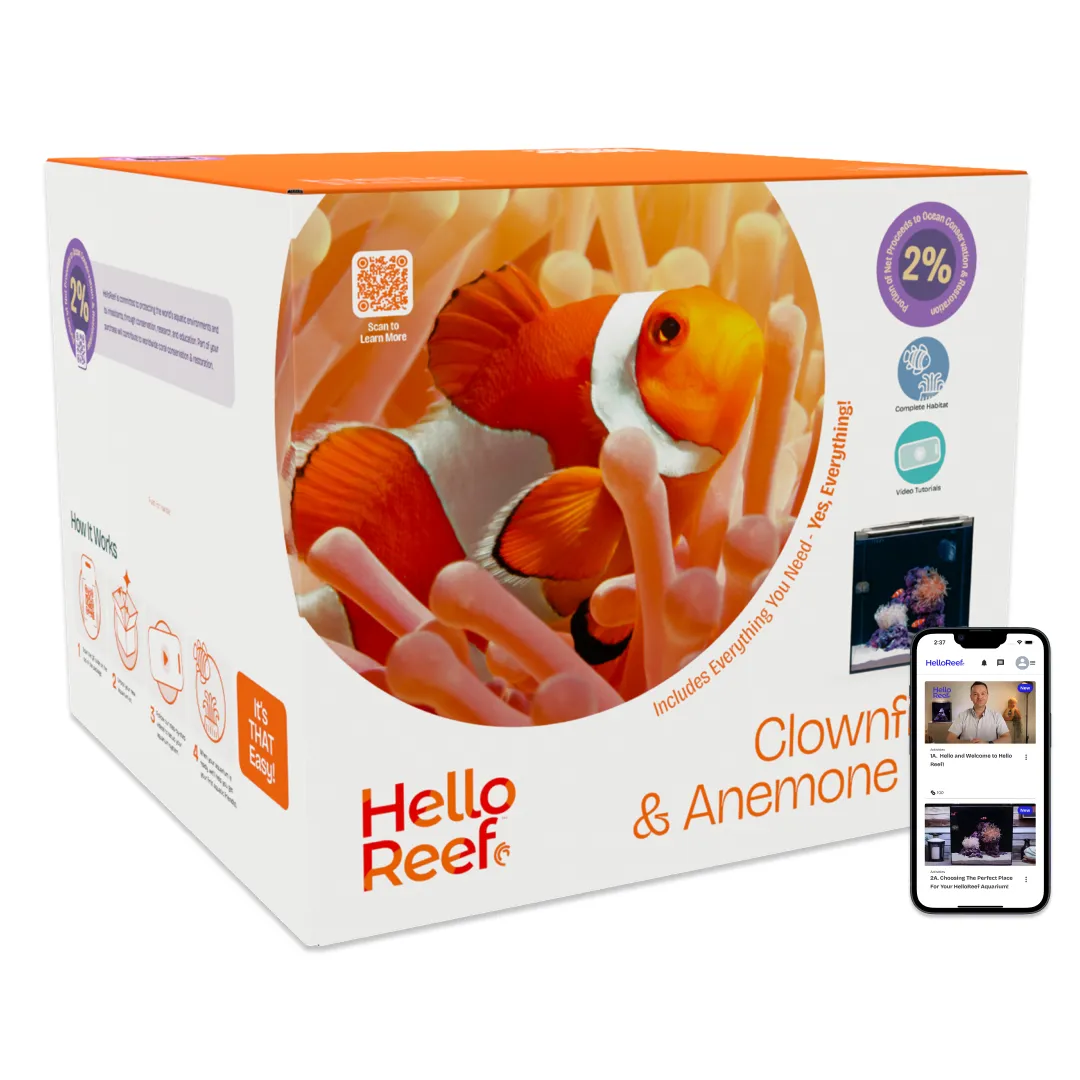
Start with a 15- to 20-gallon all-in-one if the budget allows.
This size is large enough to be more forgiving than a tiny desktop aquarium while remaining manageable in a normal room. Built-in rear filtration also removes several compatibility decisions. The HelloReef 15-gallon kit is the most complete guided option; an aquarium-only platform costs less initially but requires you to select the remaining equipment.
Quick comparison
Choose the finished system—not just the tank.
If you are shopping specifically for an aquarium or starter package below a fixed ceiling, compare my beginner saltwater tanks under $1,000. The three options below show how I would balance the upfront cost, equipment, and room to grow.

10-gallon budget build
This is the route I would choose when keeping the upfront cost low matters most. A standard 10-gallon tank and simple equipment keep the build affordable, but the smaller water volume means you need to stay on top of evaporation, feeding, and maintenance.
15- to 20-gallon all-in-one
This is my pick for the best balance of beginner guidance, manageable size, and simplicity. The HelloReef kit gives you more water volume than a tiny desktop tank and takes much of the equipment guesswork out of getting started, but it costs more upfront than a bare glass aquarium.

40-gallon breeder
I would choose this route if you have the space and want more room for your aquascape and livestock. The larger water volume is more forgiving, but you will need more water, rock, salt, and time for maintenance. The BRS starter kit supplies the core equipment; you still need to buy the aquarium and light separately.
Watch the original walkthrough
See how the three budget paths change with your livestock goal.
This video is the foundation of the original article. It shows why a fish-only aquarium, a soft-coral or LPS aquarium, and a high-flow SPS aquarium cannot share the same final shopping total even when they begin with a similarly sized tank.
Build 1 · Lowest upfront cost
The compact 10-gallon route

This is the path I would use when the budget ceiling matters more than convenience. Start with a standard 10-gallon glass aquarium and a coherent equipment bundle instead of ten unrelated bargain parts. Keep the livestock plan modest and fish-only at first.
- Best for: a strict budget, limited space, and a keeper willing to watch evaporation closely.
- Main advantage: the lowest workable entry cost.
- Main trade-off: less water means mistakes change the system faster.
- Do not skip: a lid, top-off water, cycling tests, and a simple maintenance routine.
The BRS Bring Your Own Aquarium kit is designed around a standard 10-gallon tank and groups the filter, heater, rock, sand, bacteria, flow pump, thermometer, and food. Verify the live contents before buying because bundles change.
Build 2 · My recommendation
The 15- to 20-gallon all-in-one
This is the sweet spot for most first-time saltwater keepers. You get a meaningfully larger water volume than a desktop nano without making water changes, lifting, and equipment costs jump to the next level.
If this is the size you are considering, see how I would build a complete 20-gallon saltwater aquarium.
- Best for: the beginner who wants clear guidance and a manageable footprint.
- Main advantage: the rear filtration chamber hides equipment and reduces compatibility decisions.
- Main trade-off: the initial package costs more than a bare aquarium.
- My complete-kit pick: HelloReef 15 gallon.
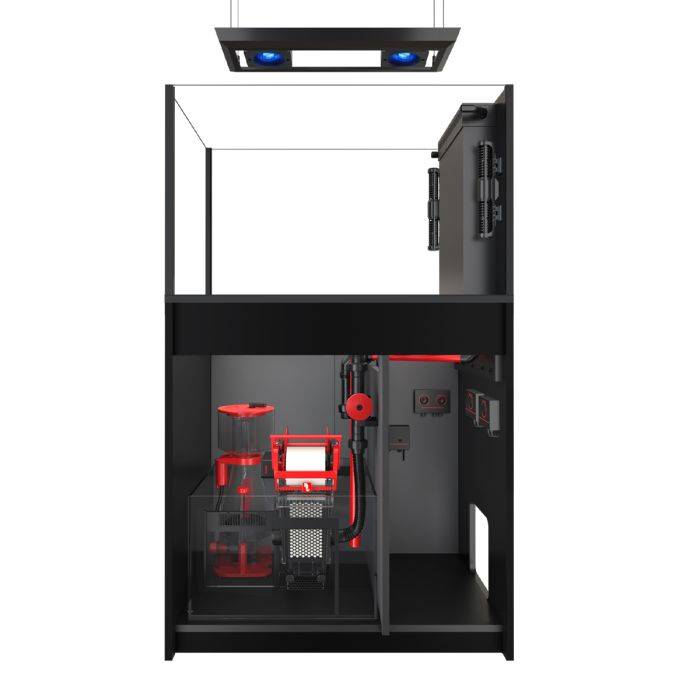
If you prefer to choose each component yourself, an Innovative Marine 20 Long or similar aquarium-only platform gives you more horizontal room. The trade-off is that you must budget separately for lighting, heat control, flow, rock, sand, testing, and maintenance.
Build 3 · Most room to grow
The 40-gallon foundation
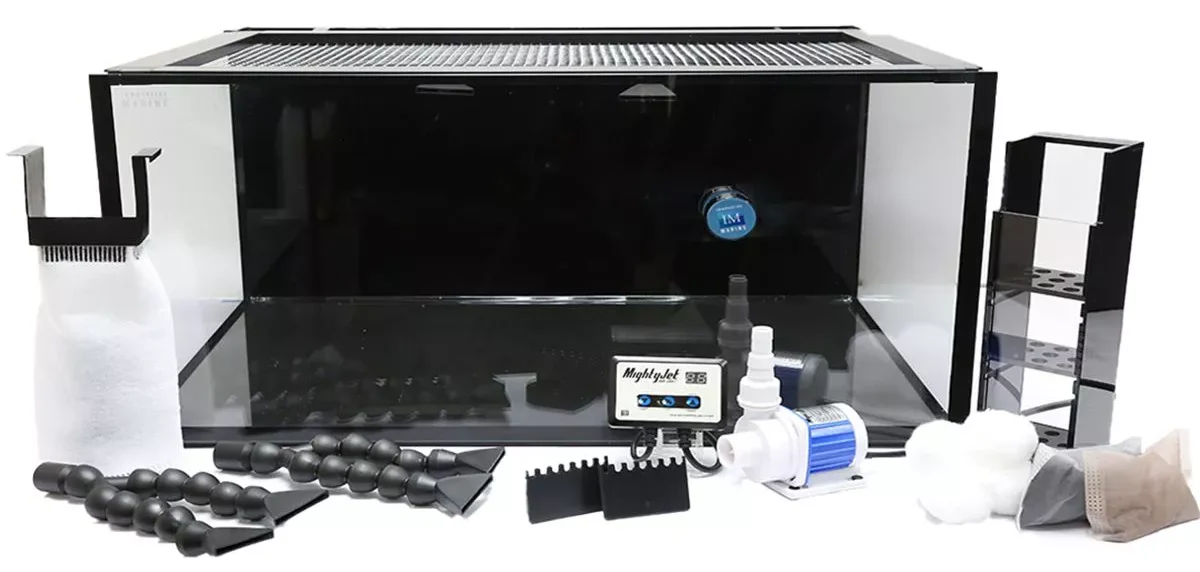
A standard 40-gallon breeder is one of the most useful beginner foundations when you have the space. The added water volume is more forgiving, and the wider footprint supports a broader aquascape and livestock plan. But it is only affordable when you price the stand, water, rock, salt, lighting, and maintenance volume before buying the glass box.
- Best for: a permanent location and a keeper who wants greater stocking flexibility.
- Main advantage: the best long-term stability of these three paths.
- Main trade-off: the complete system—not merely the tank—costs substantially more.
- Two ways to build it: local breeder tank plus HOB equipment, or a cleaner all-in-one platform.
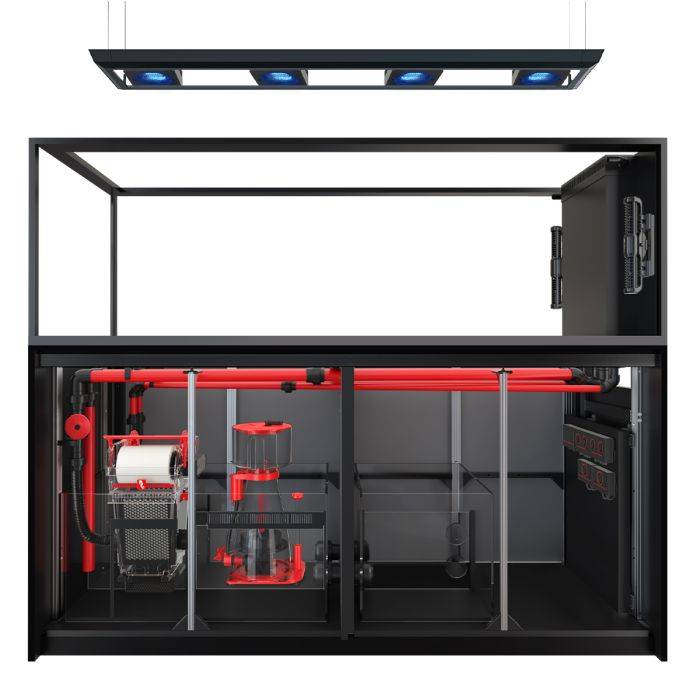
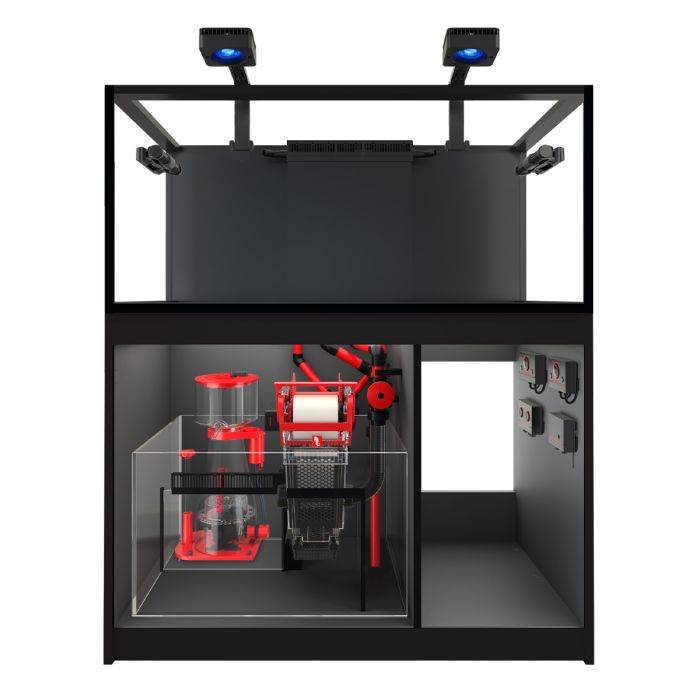
The BRS 40-gallon breeder starter kit is a useful reference for the core filtration, heating, rock, sand, bacteria, circulation, thermometer, and food. It does not include the aquarium or light. The pictured Innovative Marine system is an all-in-one alternative with a cleaner rear-filtration layout.
For the complete equipment-by-equipment plan, see my detailed 40-gallon all-in-one saltwater aquarium build.
What the tank price leaves out
Do not forget the gear that actually makes the aquarium work.
The price of the glass box is not the price of the aquarium. Before I buy a tank, I make sure the budget still has room for heat, filtration, water movement, clean source water, testing, rock, sand, and basic cleaning tools. These are the categories beginners most often forget.
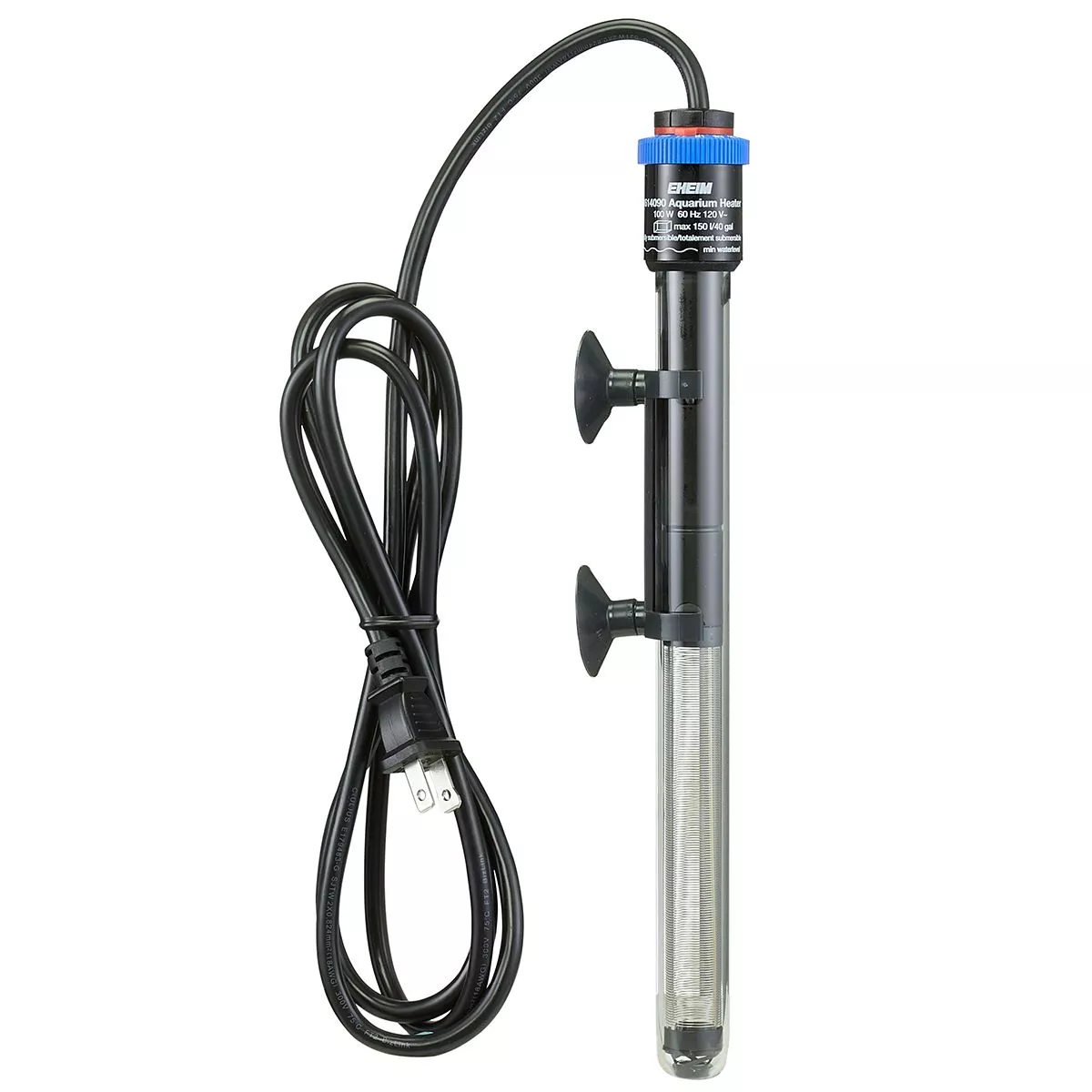
Heat and temperature control
I would never run a saltwater aquarium without a dependable heater and a separate temperature controller. Choose the wattage from the manufacturer’s tank-size guidance.

Filtration and water movement
You need a place to catch waste and enough movement to keep water circulating through the aquarium. An all-in-one rear chamber or a simple HOB filter can both work.

Clean source water
You either buy premixed saltwater and fresh RO/DI top-off water from a store you trust, or you make it yourself. Tap water is not where I would try to save money.

Salinity and cycling tests
During the cycle, I use the API kit for ammonia and nitrite. You also need a reliable salinity tester. You do not need to buy every test made for reef aquariums on day one.

Rock and sand
Rock creates the aquascape and provides most of the biological-filtration surface. For a nano tank, buy smaller shapes or be prepared to break larger pieces apart.

Basic maintenance tools
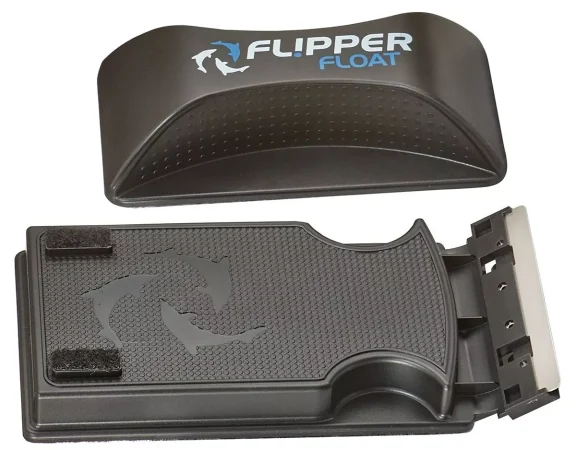
An algae scraper and a siphon are not optional extras. They are the tools you will use every week to keep the aquarium clean and make water changes easier.
Livestock changes the budget
Fish-only, mixed reef, and SPS are not the same build.
Fish-only
A basic viewing light is enough. Put the money into stable temperature, source water, filtration, a lid, and compatible livestock rather than reef lighting you do not need.
Soft coral and LPS
Add reef-capable lighting and controllable, varied flow. Choose the fixture for the tank’s footprint and the animals you intend to keep—not from wattage or price alone.
High-PAR SPS
Expect the highest equipment and testing cost. Broad lighting coverage, strong random flow, stable alkalinity and nutrients, and greater husbandry consistency matter more than the tank label.
Plan the water source
“Affordable” still includes clean water.
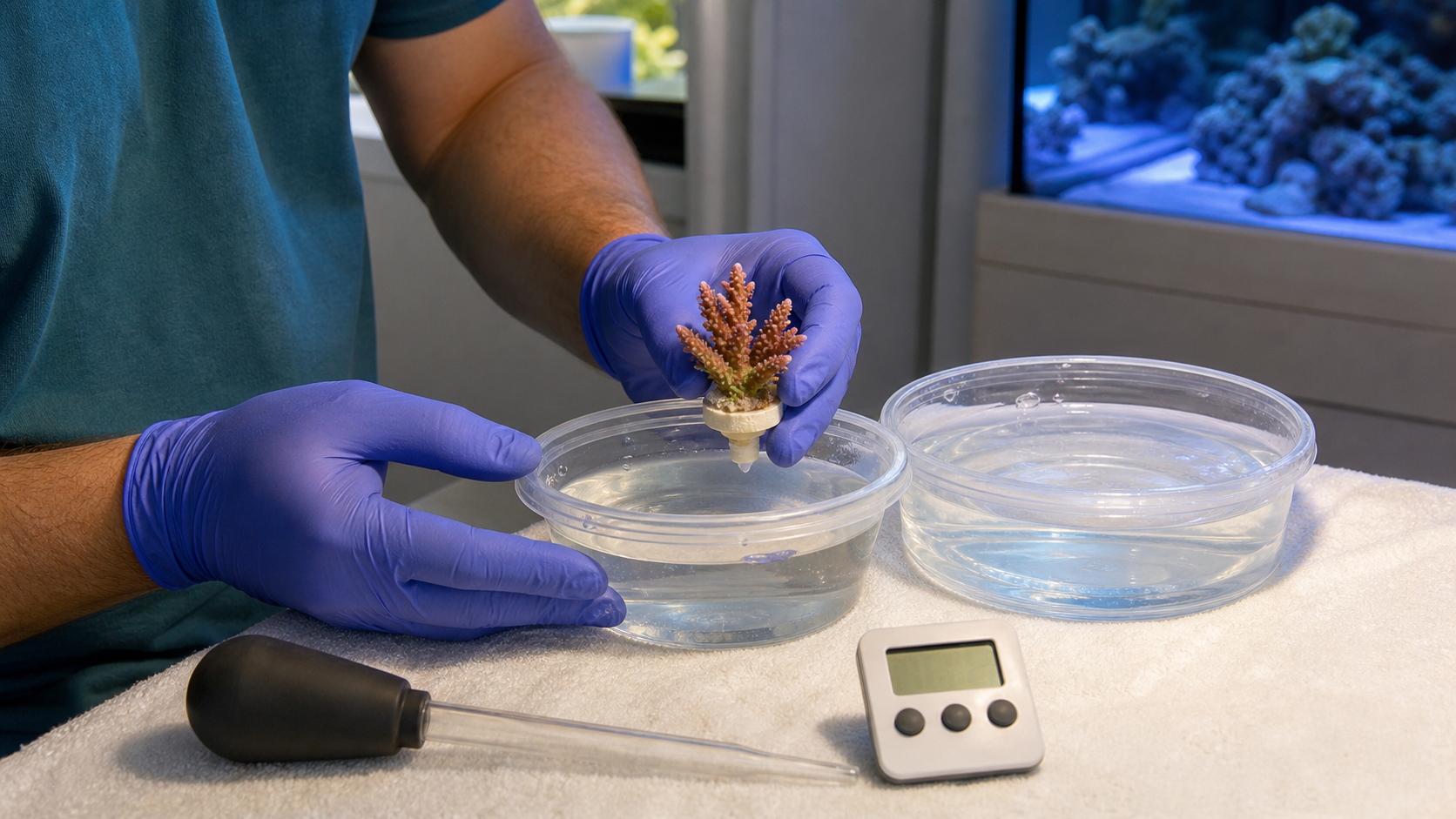
You can buy premixed saltwater and RO/DI top-off water locally, or make it yourself. If you make it at home, this original AquaReady walkthrough shows the basic setup process. Remember: saltwater replaces water removed during a water change; fresh RO/DI water replaces evaporation.
Avoid false savings
Where I would save—and where I would not.
Reasonable places to save
- Buy a standard glass tank locally.
- Begin fish-only instead of buying coral lighting immediately.
- Use simple, proven filtration you can clean easily.
- Choose dry rock or sensible nano-sized rock packages.
- Buy the tools you need now; add automation later.
Places not to cut blindly
- A stable stand or cabinet that can carry the finished weight.
- Temperature control and electrical safety.
- Clean source water and accurate salinity measurement.
- A lid for fish that can jump.
- Testing during the cycle and a repeatable maintenance plan.
Affordable aquarium FAQ
Questions to answer before you buy
What is the cheapest saltwater aquarium I would actually recommend?
A standard 10-gallon tank paired with a coherent starter bundle is the lowest-cost route I would consider practical. It is less forgiving than the 15- to 20-gallon all-in-one I recommend for most beginners.
Is a larger aquarium always easier?
More water volume slows some changes, but a larger aquarium also requires a stronger stand, more water, more salt, more rock, and more time per maintenance session. Easier chemistry does not mean a lower total cost.
Can I use tap water to save money?
I would not build the plan around untreated tap water. Buy dependable RO/DI water locally or maintain an RO/DI system at home. Source-water problems can cost far more than the water you tried to save.
Do I need a protein skimmer?
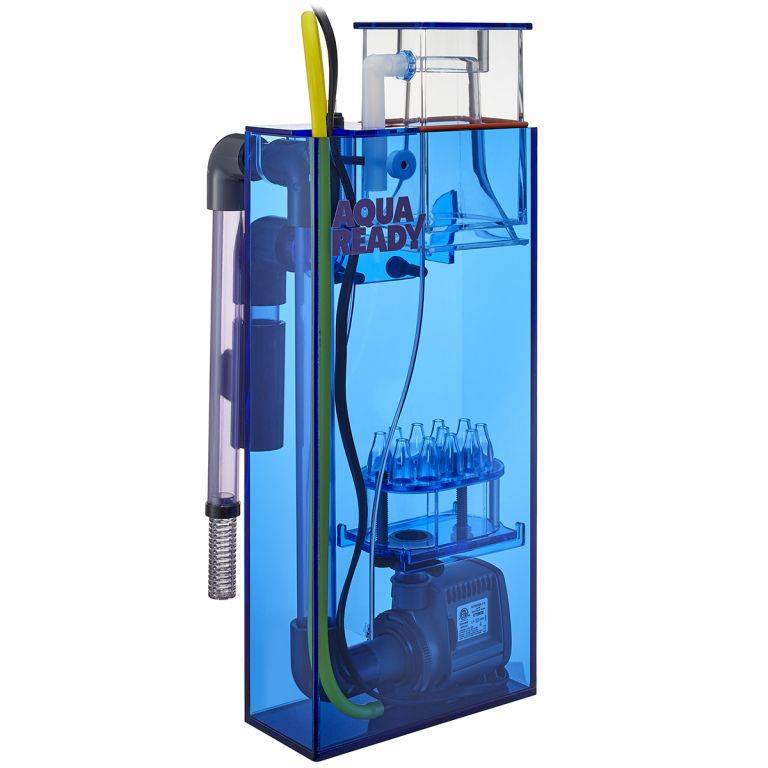
Not automatically. A small aquarium with sensible feeding, accessible mechanical filtration, and consistent water changes may not need one. Add a nano or HOB skimmer when the actual nutrient load justifies it.
Should I buy equipment for future SPS corals now?
Only when that livestock goal is genuinely close. Beginners often spend heavily on future-proof equipment while omitting testing, maintenance tools, and source-water planning needed from day one.
Choose your next step
Pick the aquarium path before building the shopping list.
If you want the lowest workable price, open the detailed under-$500 build. If you want the best beginner platform for your space and livestock goals, compare the aquariums I have actually used and recommend.