Updated August 2026
There is no single “best” aquarium maintenance tool because each one solves a different job. If I were building a practical beginner kit, I would start with a Flipper FLOAT for the glass, citric acid for removable equipment, and a Sicce Ultra Zero for controlled water removal—then add the other tools as the tank gives me a reason.
The three aquarium maintenance tools I would start with

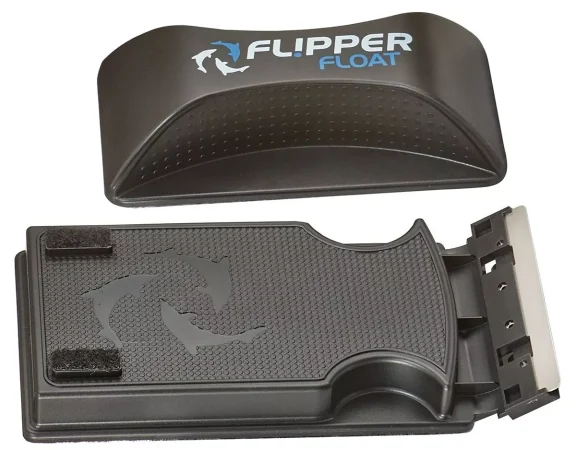
Flipper FLOAT Magnetic Algae Scraper
The tool I reach for most often. It handles routine film algae and gives you a scraping blade for tougher buildup.

BRS Citric Acid
My preferred way to loosen calcium deposits on pumps and other removable aquarium equipment before scrubbing.

Sicce Ultra Zero Utility Pump
I own three. They make transferring RO/DI water and performing water changes much easier than carrying five-gallon buckets.
Compare the best aquarium maintenance tools
These tools are complements, not thirteen competing versions of the same product. Choose the ones that match the maintenance jobs your aquarium actually creates.
| Tool | Main job | How soon? | My quick take |
|---|---|---|---|
| OXO Deep Clean Brush Set | Pumps and tight crevices | Useful early | Small, stiff brushes make equipment cleaning easier. |
| Python Gravel Vacuum | Removing debris during water changes | Depends on your sand bed | I prefer the 2-inch size for better control. |
| Flipper FLOAT | Cleaning viewing panels | Buy early | The magnetic algae scraper I use on my tanks. |
| Citric Acid | Mineral buildup on equipment | Buy before the first deep clean | Effective, inexpensive, and easy to store. |
| Turkey Baster | Blowing detritus from rockwork | Optional | Simple and surprisingly useful before a water change. |
| Acrylic Coral Pointer | Pointing and small in-tank adjustments | Optional | Useful without putting your entire arm in the aquarium. |
| Tunze Care Panes | Cleaning the outside glass | Optional | A dedicated aquarium-safe exterior glass cleaner. |
| Labeled Spray Bottle | Applying RO/DI water outside the tank | Optional | Cheap, useful, and must remain clearly labeled. |
| ROX 0.8 Carbon | Water clarity, odors, dissolved organics | Use when your filtration plan calls for it | My preferred activated carbon. |
| High-Capacity GFO | Phosphate control | Only when testing shows a need | Use carefully and in small amounts. |
| Fine Mesh Media Bag | Containing loose filter media | When using carbon or GFO | The mesh needs to be fine enough for the media. |
| Python Extension & Hook | Longer, easier water-change routing | When distance becomes a problem | A convenience upgrade, not a first-day necessity. |
| Sicce Ultra Zero | Pumping water from low containers | When you make larger water changes | One of the most useful utility pumps I own. |
How I chose these aquarium maintenance tools
This is the working kit I have built from years of maintaining freshwater and saltwater aquariums. I am not ranking thirteen nearly identical products. I am choosing one useful tool for each common job: scraping glass, loosening deposits, moving water, cleaning pumps, managing loose media, and reaching places that are otherwise awkward.
I prioritize tools that make recurring jobs fast enough that you will actually do them.
Every tool should be aquarium-only, easy to rinse, and appropriate for glass or acrylic.
I kept the tools that solve a clear problem and removed the idea that you need every gadget immediately.
My complete aquarium maintenance toolkit

1. OXO Good Grips Deep Clean Brush Set
My experience: I keep small, firm brushes like these dedicated to aquarium use because they reach pump housings, fittings, overflow teeth, and salt-crusted seams better than a soft toothbrush.
Pumps, fittings, narrow crevices
The surface is delicate or easily scratched
Use the smaller brush for seams and the larger brush for broader surfaces. Never use household soap or cleaner, and do not force stiff bristles against soft silicone or scratched acrylic.
My verdict: An inexpensive tool that makes deep equipment cleaning noticeably easier.

2. Python 2-Inch Gravel Vacuum
My experience: A gravel vacuum is simple, but I prefer the build quality and control of the Python. The two-inch version is more practical than the tiny one-inch tube.
Removing debris during a water change
Pulling fine sand out too quickly
Pinch the hose or lift the tube when sand starts climbing too high. You are trying to remove loose waste, not sterilize the entire sand bed in one maintenance session.
My verdict: A dependable manual option when your substrate collects visible debris.
3. Flipper FLOAT Magnetic Algae Scraper
My experience: This is the magnetic algae scraper I use on my aquariums. The scrubber handles routine film algae, while the blade gives you a better tool for harder buildup.
Routine glass or acrylic cleaning
Use the correct blade for the panel material
Match the model to your aquarium wall thickness. Stainless-steel blades are for glass only; use the plastic blade on acrylic. Inspect both cleaning faces before every pass because one trapped grain of sand can scratch a panel.
My verdict: If you buy only one dedicated viewing-panel tool, this is where I would start.
4. BRS Citric Acid
My experience: Citric acid is what I use to loosen hard mineral deposits from removable pumps and aquarium equipment before scrubbing.
Pumps and removable hardware
Add cleaning solution to the aquarium
Unplug and disassemble the equipment, mix and soak according to the product directions, scrub, and rinse every part thoroughly with fresh water. Label the soaking container clearly.
My verdict: One container lasts a long time and makes neglected equipment much easier to restore.
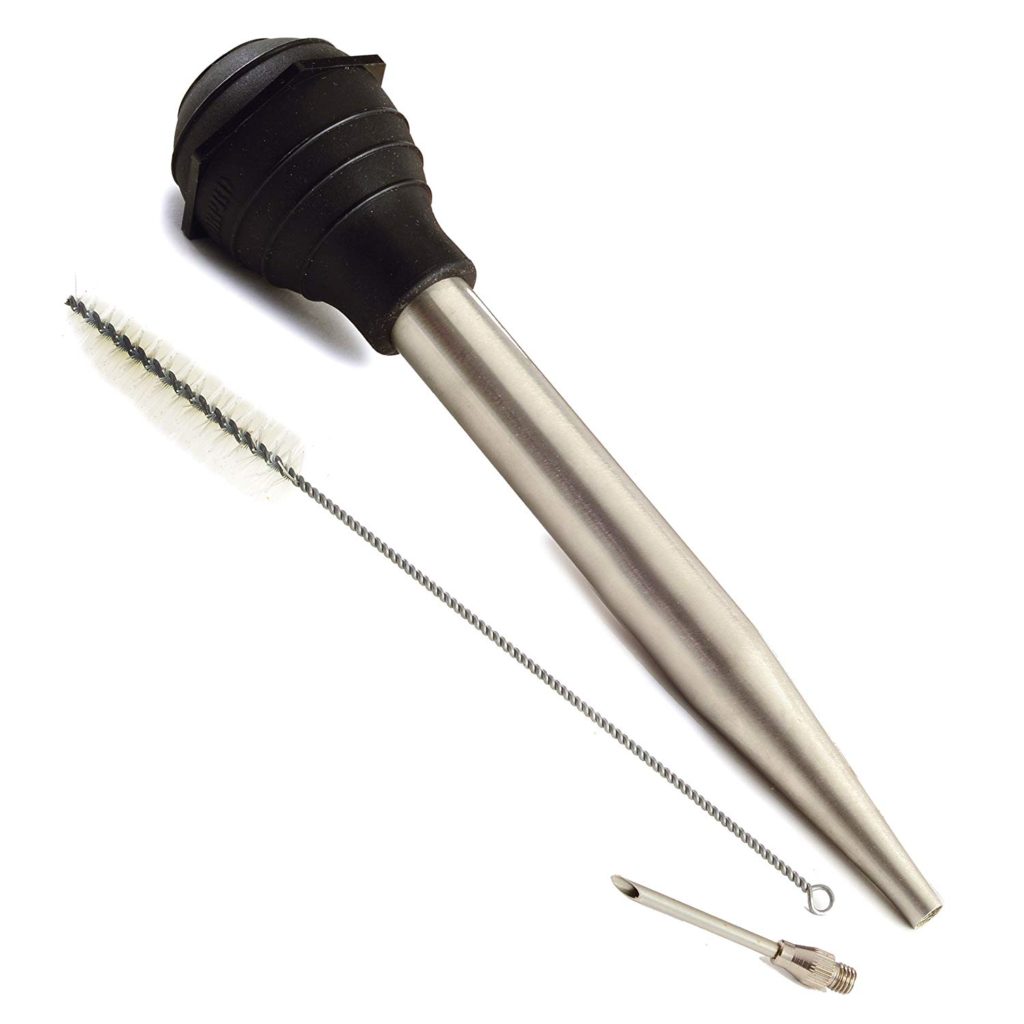
5. Dedicated Turkey Baster
My experience: A turkey baster is still one of the easiest ways to blow detritus out of rockwork immediately before filtration or a water change can remove it.
Rockwork and hard-to-reach pockets
Burying livestock or disturbing sand
Use gentle bursts around coral tissue and keep the baster aquarium-only. Take the bulb apart for cleaning and replace it when the rubber begins to crack or retain residue.
My verdict: Cheap, unglamorous, and genuinely useful. I am retaining this recommendation without an affiliate link.

6. Acrylic Coral Pointer
My experience: I use this tool all the time to flip over snails that get stuck on their backs. I also use it as a stir stick when I mix kalkwasser, and for small in-tank adjustments that do not require putting my whole arm into the aquarium.
Righting snails, pointing, and stirring kalkwasser
Prying against glass or coral skeletons
Use a light touch around livestock and rockwork. Rinse it thoroughly after every use, especially after mixing kalkwasser, and never use the pointer as a lever.
My verdict: It looks optional until you own one. Mine stays beside the aquarium because I reach for it constantly.

7. Tunze Care Panes
My experience: The outside of the aquarium deserves a dedicated cleaner that will not introduce ordinary household chemicals around the tank.
Fingerprints and salt haze outside the glass
Cleaning the submerged panel
Apply it to the cloth rather than spraying toward an open aquarium. Keep that cloth aquarium-only as well.
My verdict: A tidy finishing tool when you want the display to look as clean outside as it does inside.

8. Clearly Labeled Spray Bottle
My experience: I use a spray bottle filled with RO/DI water every week around the rear filtration chamber. A generous spray helps dissolve salt creep so I can wipe it away instead of scraping dry deposits across the surface.
Salt creep, rear chambers, and the exposed water line
Label it and keep it aquarium-only
I also use it during a water change, when the water level is lowered, to clean the exposed water line from the inside of the tank. Start with a brand-new bottle that has never held household cleaner, use only RO/DI water, and keep the spray away from outlets, power supplies, and other electronics.
My verdict: This is a cheap maintenance tool that I genuinely use every week. Buy a clean bottle locally and label it immediately; no affiliate link is needed.

9. BRS ROX 0.8 Activated Carbon
My experience: I use activated carbon in my aquariums to help with dissolved organics, odors, and unwanted color. ROX 0.8 is my preferred carbon because a smaller amount does more work and produces less dust.
Water clarity and dissolved organics
Proper rinsing and a fine media bag or reactor
Follow the manufacturer’s quantity and replacement guidance. Carbon is filter media, not a substitute for water changes or correcting the source of a problem.
My verdict: The premium carbon I use when I want high performance with less mess.

10. BRS High-Capacity GFO
My experience: GFO can help when phosphate remains higher than the tank’s filtration and maintenance routine can manage. I prefer high-capacity GFO because it is less dusty and requires less media.
Phosphate control confirmed by testing
You are guessing instead of measuring
Start conservatively. Removing phosphate too aggressively can create a different problem, especially in a young reef tank.
My verdict: Useful to have available, but not something every beginner should automatically run from day one.

11. Fine Mesh Media Bag with Drawstring
My experience: Loose carbon and GFO need a fine mesh bag that keeps the small particles contained while water moves through the media.
Carbon, GFO, and small loose media
Media particle size and chamber space
Tie the drawstring securely, place the bag where water must move through it, and rinse the bag between uses.
My verdict: The inexpensive accessory that makes loose filter media practical in an all-in-one aquarium.

12. Python Extension and No-Spill Hook
My experience: Extensions and a fill hook become useful when the distance between the aquarium, drain, and water source makes routine water changes awkward.
Longer hose runs and hands-free routing
Connections, water pressure, and secure placement
Buy only the extension length you need, test every connection, and never leave a filling aquarium unattended.
My verdict: Not required for a bucket-sized nano-tank change, but a real quality-of-life improvement as the aquarium gets larger.
13. Sicce Ultra Zero Utility Pump
My experience: I own three Ultra Zero pumps. One stays in my saltwater mixing station, one stays in my RO reservoir, and the third pumps RO/DI water from my outdoor storage container into the house. They are much easier than lugging five-gallon buckets around.
Water changes and low-level water transfer
Dedicated pumps keep each water station ready
For water changes, I use a sturdy trash can on a dolly. I keep an Ultra Zero at the bottom, connect it to Python tubing, roll the container where I need it, and hook the discharge over the sink. That turns a heavy bucket-carrying job into a controlled pump-and-hose job.
Use the correct tubing, make sure the hose and hook are secure before switching on the pump, keep the intake clear, and never let the pump run dry beyond the manufacturer’s directions.
My verdict: This is not just a convenience upgrade for me—it is the system that makes moving stored RO/DI water and completing larger water changes manageable.
Keep every aquarium maintenance tool aquarium-only
Do not use household soap, glass cleaner, degreaser, or a previously used chemical container around the aquarium. Label brushes, buckets, spray bottles, basters, towels, and tubing. Rinse and dry them after use, and store metal blades where they cannot stay wet and corrode.
Also match every scraper and blade to the aquarium material. A tool that is safe for glass may permanently scratch acrylic.
Which aquarium maintenance tools should you buy first?
| Tool | Buy first when… | Wait when… | Main caution | Price |
|---|---|---|---|---|
| Flipper FLOAT | You want routine panel cleaning to stay easy | You already own a suitable scraper | Keep sand away; match blade to panel | Check BRS price |
| Citric Acid | Pumps are developing hard mineral deposits | Your first deep clean is still months away | Never add it to the aquarium | Check BRS price |
| Sicce Ultra Zero | You move water from drums or shallow containers | Small bucket changes are still easy | Use proper tubing and do not run it dry | Check BRS price |
| Brush Set | Pumps and fittings are difficult to scrub | A dedicated brush already reaches everything | Do not scratch acrylic or damage silicone | Check BRS price |
| Gravel Vacuum | Waste accumulates on or within substrate | Your bare-bottom tank does not need one | Control the siphon around fine sand | Check BRS price |
| ROX 0.8 Carbon | Your filtration plan includes carbon | You do not have a suitable flow path or bag | Rinse and replace as directed | Check BRS price |
| High-Capacity GFO | Testing confirms phosphate needs additional control | You are guessing or the tank is very young | Do not strip phosphate too quickly | Check BRS price |
Aquarium maintenance tools FAQ
Do I need all 13 aquarium maintenance tools?
No. Start with the jobs your aquarium creates. Most people will use a panel scraper early; tools for large water changes, loose media, or phosphate control can wait until the system needs them.
What are the three tools you recommend first?
My three practical starting recommendations are the Flipper FLOAT magnetic algae scraper, citric acid for removable equipment, and the Sicce Ultra Zero utility pump for controlled water removal. Whether you need the pump immediately depends on how you perform water changes.
Can I clean aquarium tools with dish soap?
I do not use dish soap or household cleaner on aquarium tools. Rinse them thoroughly with fresh water, use an aquarium-appropriate cleaning method when needed, and keep every tool dedicated to the aquarium.
Can the same algae scraper be used on glass and acrylic?
Only when the manufacturer provides a surface-appropriate cleaning face or blade. Stainless-steel blades are for glass, not acrylic. Check the scraper instructions and inspect for trapped sand before every pass.
Should a beginner run carbon and GFO?
I commonly use activated carbon, but GFO should solve a measured phosphate problem rather than become an automatic first-day purchase. Test first and use it conservatively.
Is a utility pump better than a siphon?
They solve different problems. A siphon or gravel vacuum can remove debris from substrate. A utility pump is better for quickly transferring water or emptying a shallow container.
Put the tools into a maintenance routine
Equipment only helps when you know what is due. Use the Saltwater Aquarium Maintenance Guides to organize daily, weekly, monthly, and as-needed jobs. For closer product comparisons, see my algae scraper buying guide and filter media guide.