How to Acclimate and Quarantine a New Saltwater Fish
Bringing home a new fish should be exciting. It should not turn into a frantic search for a bucket, an argument about drip acclimation, and a sick fish sitting in water you never tested.
The best time to make your plan is before you buy the fish. I’m going to walk you through what to prepare, what to check when the fish arrives, how to choose an acclimation approach, what quarantine is actually for, and what has to happen before that fish joins your display.

Before you leave the store
Get the Next Tank Ready Before You Buy the Fish
Do not buy the fish and then decide where it will go. The quarantine system should be running, heated, aerated, covered, and ready to handle waste before the bag comes through your door.
Ask where the fish came from
Find out how long the seller has had it, whether it has been eating, what it has been fed, whether it was treated, and whether other fish in the system have shown problems.
Ask about the water
Get the seller’s salinity if you can. Temperature matters, but a large salinity difference can change how you handle the transfer. Do not assume every store or shipment matches your aquarium.
Watch the actual fish
Look at breathing, swimming, posture, fins, eyes, skin, and appetite. A fish does not become a good purchase just because it is the species you wanted.
Five different jobs
Acclimation, Quarantine, Observation, Diagnosis, and Treatment Are Not the Same Thing
Beginners get into trouble when all five are treated like one step. Each one answers a different question.
Acclimation
How do I move this fish between different water conditions without adding avoidable stress?
Quarantine
How do I keep the new fish physically separate while I learn more about it?
Observation
Is the fish eating, breathing, swimming, and looking the way it should?
Diagnosis
If something is wrong, what evidence tells us what the problem may be?
Treatment
What response makes sense for the problem we actually have—not the one we guessed?
When the fish arrives
Use This Four-Step Arrival Flow
Keep the room calm, work efficiently, and avoid turning the transfer into a two-hour science project. Your exact method depends on the fish, the seller’s water, the time in transit, and the difference between that water and your prepared quarantine system.
Look before you open
Check the fish’s position, breathing, and the condition of the bag. Confirm which fish is in it and how long it has been traveling.
Compare the water
Check temperature and salinity with tools you trust. A close match is a different situation from a large salinity difference.
Choose the transfer
Temperature-match as needed, then use the shortest reasonable acclimation that handles the actual difference. Do not default to a long drip just because that is what you have always heard.
Move fish, not bag water
Transfer the fish into prepared quarantine water with a clean specimen container or appropriate net. Keep shipping and store water out of the quarantine system when practical.
A long-shipped bag deserves extra caution
Once a shipping bag is opened, its chemistry starts changing. That is one reason a blind, extended drip is not a universal answer. If the fish has been in transit for a long time, arrives in poor condition, or the salinity difference is large, stop guessing. Follow the seller’s species-specific arrival instructions or get help from an aquatic veterinarian or experienced fish-health professional.
About drip acclimation
There Is No Single Acclimation Method for Every Fish
Drip acclimation can be useful in the right situation. It is not automatically safer, and longer is not automatically better.
The water is already close
If temperature and salinity are closely matched and the fish is stable, you may need only a brief, controlled transfer. Do not extend the process without a reason.
There is a meaningful difference
A gradual adjustment may be appropriate, but the pace should respond to the actual difference, the fish, and the time it spent in transit. Measure—do not guess.
The fish looks distressed
Hard breathing, loss of balance, collapse, or obvious injury changes the priority. Move away from generic internet timing and get qualified guidance as quickly as you can.
A useful quarantine tank
Quarantine Is a Separate, Stable System—not an Empty Emergency Box
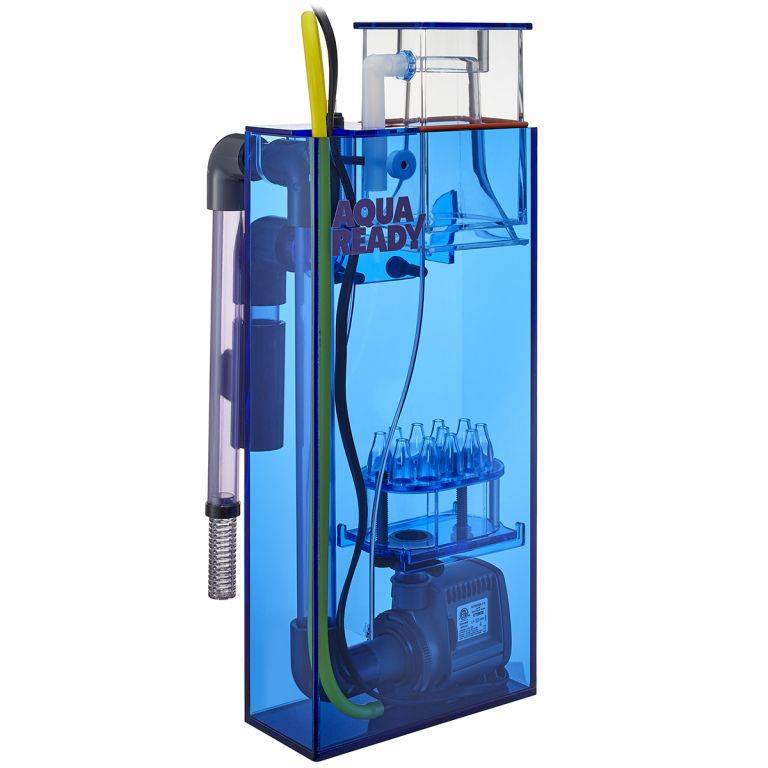
A quarantine tank does not have to be beautiful. It does have to keep the fish alive, stable, contained, easy to observe, and physically separate from the display.
Quarantine system
Separate water
Separate tools
Stable environment
Easy observation
A reliable heater and thermometer sized for the system.
Surface movement or aeration that keeps oxygen available.
A ready biofilter plus a plan to test and control ammonia.
Easy-to-clean hiding structures that help the fish settle.
New and frightened fish can jump—even species you did not expect.
Its own net, siphon, bucket, algae tool, and anything else that touches the water.
Temperature, salinity, ammonia, and other tests required by the protocol.
Enough to observe the fish without making a stressed animal feel exposed.
What to check every day
Observation Is More Than Looking for White Spots
Spend a few quiet minutes with the fish before and during feeding. Look for changes, not just dramatic symptoms.
Breathing
Is it steady, or is the fish breathing hard, staying near high flow, or gasping at the surface?
Swimming and posture
Is the fish upright and controlled? Is it hiding normally, or unable to leave one corner?
Appetite
Does it recognize food, approach it, take it, and keep it down? Record what it will eat.
Skin, fins, eyes, and mouth
Look for spots, excess mucus, cloudiness, damage, swelling, fraying, or anything that is changing.
Waste
Notice unusual color, shape, or persistence—but do not diagnose a disease from one piece of waste.
Water quality
Check the water whenever the fish changes. Temperature, salinity, ammonia, oxygen, and other husbandry problems can look like disease.
Escalate when the fish is getting worse
Severe breathing trouble, loss of balance, inability to eat, rapidly spreading lesions, marked swelling, repeated flashing with other signs, or multiple affected fish deserve prompt qualified help. An aquatic veterinarian or fish-health professional can help separate water-quality problems, injury, parasites, and infection before treatment makes the picture harder to read.
How long does quarantine take?
Use Time to Learn About the Fish—not to Race a Calendar
Professional references commonly describe a minimum around 30 days, with longer 30–60 day periods used in some situations. That is a starting framework, not a guarantee that every fish is clear on day 31.
The clock starts with the last exposure
If another fish enters the system, the group has had a new exposure. Start the observation period again.
The fish should be stable and eating
Do not move a fish just because the calendar ended. It should be behaving normally, accepting an appropriate diet, and living in stable water.
Treatment changes the plan
A supported diagnosis, medication course, sampling result, or new symptom may require a different timeline. Follow the complete protocol—not a generic number from this page.
The move to the display
Finish Quarantine, Then Plan the Introduction
The fish may be ready for the display, but the display also has to be ready for the fish.
Confirm the fish is ready
It is eating, behaving normally, and has completed the observation or treatment plan you chose.
Recheck the display
Confirm temperature, salinity, water quality, lid, territory, and the fish already living there.
Plan for aggression
Use the stocking order you planned. Consider dimmed lights, an acclimation box, or a territory adjustment when the fish list calls for it.
Watch the first days closely
Make sure the new fish can eat, escape attention, find shelter, and use the part of the tank you expected.
My final recommendation
Slow Down Before the Purchase—Not After the Problem
The easiest arrival is the one you planned while the fish was still at the store. Get the quarantine system ready. Know the seller’s water. Decide how you will compare salinity and temperature. Keep separate tools. Write down what you will observe. And know who you will call if the fish is struggling.
You do not need to make this complicated. You do need to stop treating acclimation, quarantine, diagnosis, and treatment like they are all the same step.
Keep planning
What Should You Do Next?
Health and Husbandry Sources
This beginner guide is educational and cannot diagnose or treat an individual fish. Its health-management boundaries are informed by:
- MSD Veterinary Manual: Management of Aquarium Fish
- MSD Veterinary Manual: Routine Health Care of Fish
- UF/IFAS: Introduction to Fish Health Management
The original Saltwater Tanks Demystified Part 05 episode will remain available as a historical companion after this page is rebuilt.