Add the first animals conservatively by matching each snail, crab, or shrimp to visible food, compatible tankmates, and a deliberate arrival plan.
The phrase “cleanup crew” makes these animals sound like a cleaning service. They are not. Every snail, crab, and shrimp is a living animal with a particular diet, behavior, adult size, and tolerance for aquarium conditions.
That changes the question. Instead of asking, “How many cleaners fit in 15 gallons?” I want you to ask, “What job exists in this aquarium, which animal is suited to it, and is there enough food to keep that animal alive?”
This week, we are going to choose only the animals the tank can actually support. That means skipping the giant generic packages and not expecting snails or crabs to fix a lighting, nutrient, or maintenance problem for us.
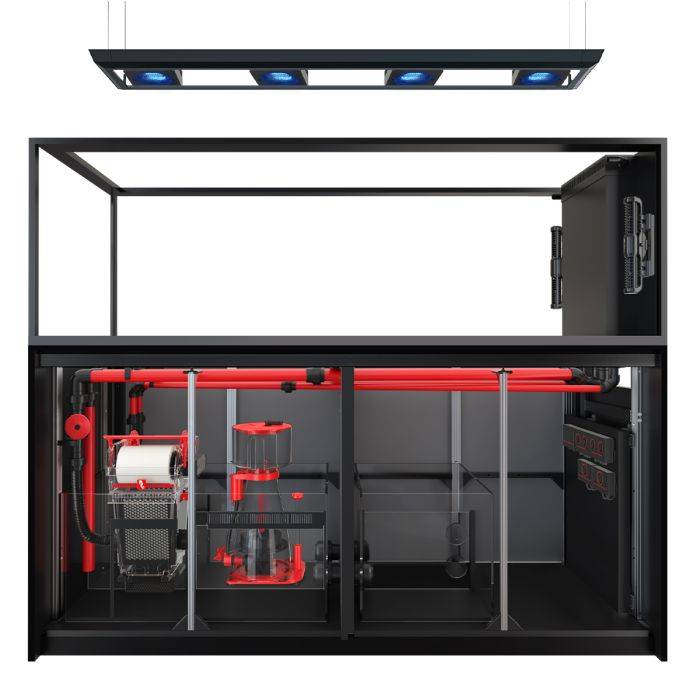
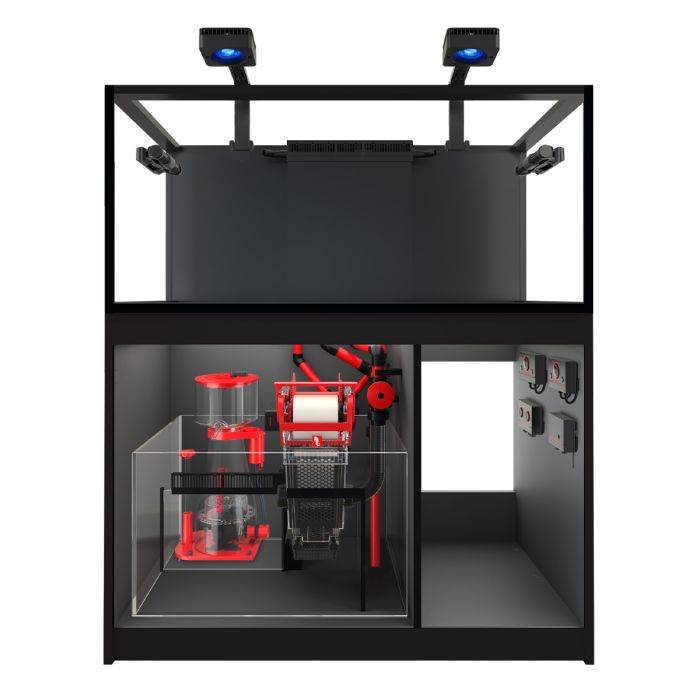
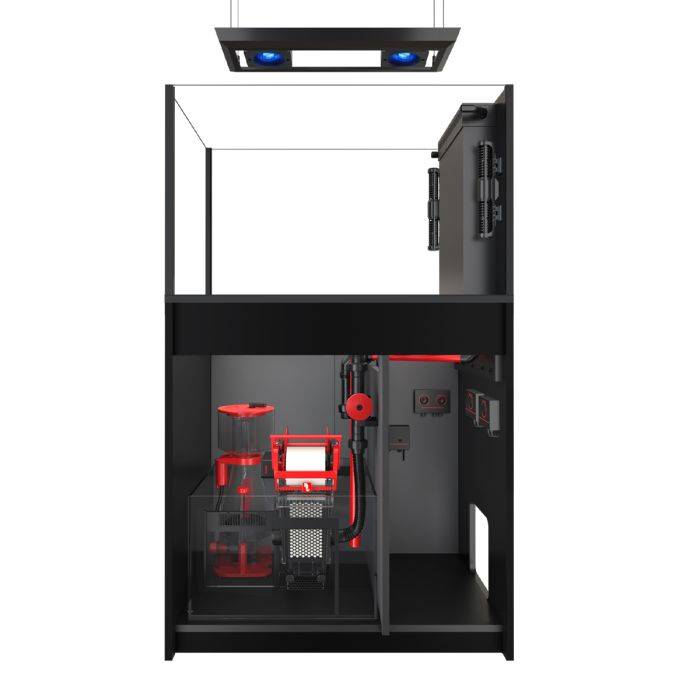
Affiliate disclosure: This article contains an affiliate link. If you purchase through it, My First Fish Tank may earn a commission at no additional cost to you. The HelloReef kit is included because it is the exact aquarium path discussed here.
Where Week 4 fits: The cleanup-crew portion runs from the beginning through 5:47. At 5:47, the public video moves into choosing saltwater fish—the subject of Week 5.
A Cleanup Crew Is a Collection of Jobs
Cleanup animals can graze certain algae, find some uneaten food, work through crevices, or disturb the upper surface of a sandbed. They do not remove nutrients from the aquarium. The material they eat remains part of the system until it is exported through filtration, manual removal, or a water change.
They also do not eat every unwanted growth. “Brown,” “green,” or “slimy” is not a complete identification. A grazer that helps with film algae may ignore long hair algae. A scavenger that finds meaty food in the sand may do little for algae on the glass.
Make Sure the Tank Is Ready Before You Shop
Do not use a cleanup crew to find out whether the cycle worked. Finish Week 3 first and use the test results required by the cycling method you chose. Temperature, salinity, water level, and flow should also be staying steady.
Then look for a real need. A light coating of identifiable film algae can support a small grazer. A few accessible food particles after feeding may support a scavenger later. A spotless aquarium with no fish food entering it may not support either.
Build a Conservative Starter Plan
Start with fewer animals than you think you will eventually need. If the same job keeps showing up and there is still enough food, you can add another grazer later. It is much harder to deal with an oversized group after the food disappears.
For this public guide, I am deliberately not giving you a universal snail-per-gallon formula. Surface area, maturity, light, feeding, rockwork, sand, filtration, and the exact species change the answer. The full beginner cleanup-crew guide compares common choices. Use that guide only after you have written down the job this aquarium needs.
| What to check | Question to answer | Common mistake |
|---|---|---|
| Food | What will this exact animal eat in this tank today? | Buying a large package for algae that has not appeared. |
| Habitat | Does it need sand, rock, hiding space, open grazing area, or secure structures? | Selecting by appearance while ignoring where the animal lives. |
| Adult size | Will its final size and appetite remain appropriate for 15 gallons? | Choosing a powerful grazer that quickly exhausts its food. |
| Compatibility | Can it injure, eat, outcompete, or be eaten by planned livestock? | Assuming every animal sold as a cleaner is automatically reef-safe. |
| Behavior | Can it climb out, knock over loose rock, steal shells, or disappear into filtration? | Learning about predictable behavior only after purchase. |
Evaluate the Seller and the Individual Animals
A good seller should be able to provide an accurate species name, expected adult size, diet, reef-compatibility limits, current salinity, and acclimation instructions. “Assorted snail” is not enough information when different snails occupy different habitats and eat different foods.
For local purchases, observe the holding system. Look for active animals appropriate to their normal time of day, intact shells or appendages, and no obvious mass losses in the system. Ask how long the animals have been held and what they are eating.
For an online order, review the arrival guarantee, shipping window, weather policy, packaging method, and what the seller wants you to do immediately after delivery. Arrange to be present. A box should not sit outside while you are at work, especially during temperature extremes.
- Confirm the species—not just the trade nickname.
- Ask for the seller’s current salinity and compare it with your aquarium.
- Read the arrival and acclimation policy before the shipment leaves.
- Prepare the necessary container, thermometer, and transfer tools.
- Know whom to contact and what photos the guarantee requires if an animal arrives in poor condition.
Use a Species- and Shipment-Aware Acclimation Plan
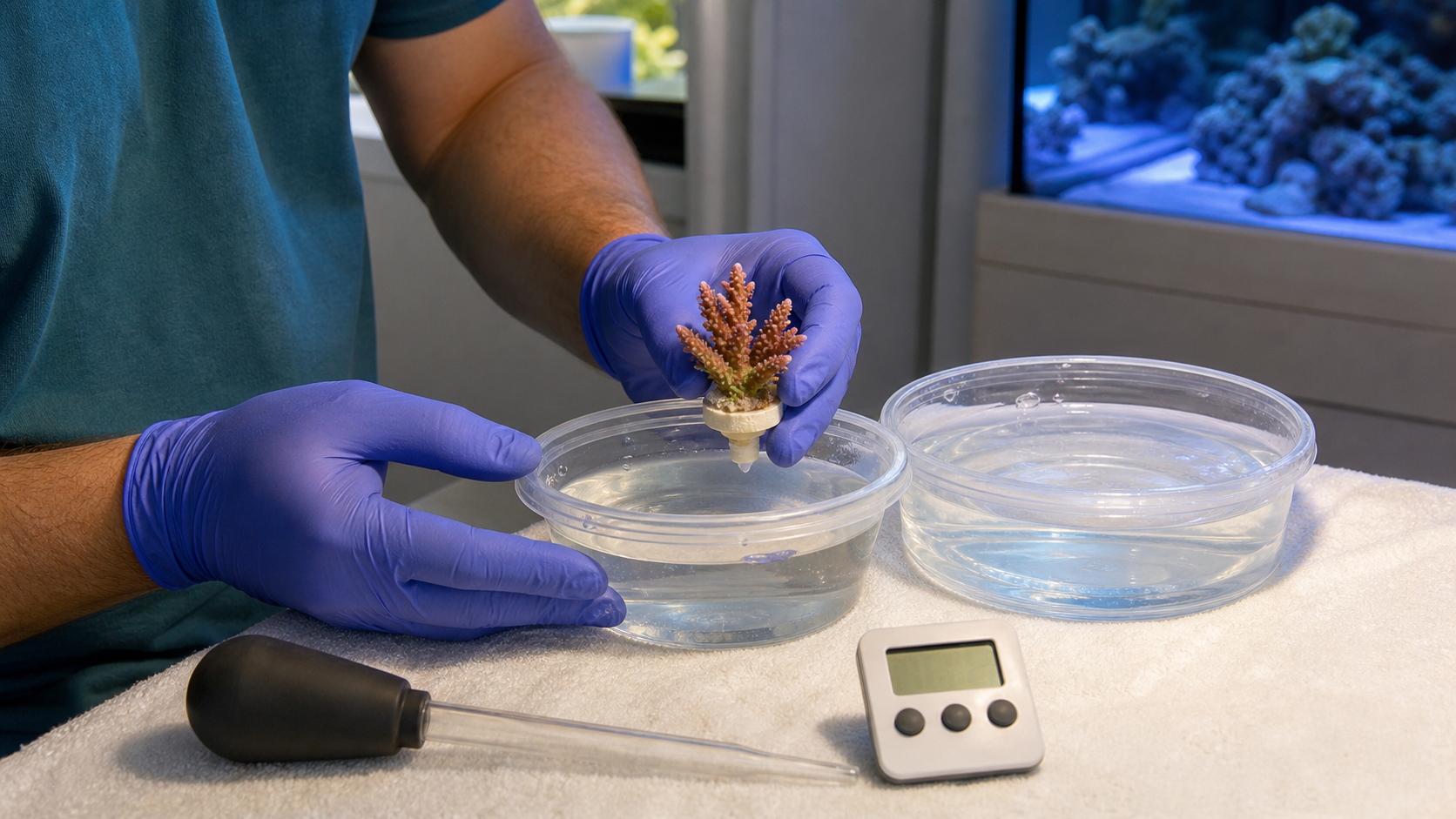
There is no single acclimation timer that is correct for every snail, crab, shrimp, local pickup, and overnight shipment. Temperature matters, but so do salinity, time in the bag, oxygen, accumulated waste, and the biology of the animal.
Follow the current instructions from the seller for the exact animals and shipping method. Compare salinity rather than assuming the bag matches your display. If the difference is substantial or the directions conflict with the animal’s condition, contact the seller before improvising a long procedure.
Prepare a dim, calm aquarium. Keep transfer tools separate from household tools. Avoid adding store or shipping water to the display. Move each animal gently, place it in an appropriate area, and make sure pumps or overflows cannot immediately trap it.
Observe Before You Add or Feed More
Give the first animals time to settle. Some may remain still after transfer, hide during the day, or become active after the lights dim. Pay attention to where they go and what they actually graze. Check pumps, rear chambers, and the waterline if an animal appears to be missing.
Do not assume an empty shell always means a death. Crabs and shrimp molt, leaving an exoskeleton that can look like the animal. Observe carefully before changing the tank or adding replacement livestock.
Feed only when natural food appears insufficient for the animals you chose. Use an appropriate food, offer a small amount where the animal can reach it, and remove persistent leftovers. Supplemental feeding keeps an animal alive; it does not make an oversized cleanup crew a better purchase.
Continue monitoring ammonia, temperature, salinity, animal behavior, algae coverage, and leftover food. One modest addition should not destabilize a properly cycled aquarium, but testing and observation reveal problems before the next animal depends on the system.
Before You Move On to Fish
- The cycle is complete and the aquarium has stayed stable.
- The unwanted growth or leftover-food pattern has been identified rather than guessed.
- Every proposed animal has a specific job and visible food source.
- The first group is conservative enough to expand later.
- Adult size, habitat, behavior, and livestock compatibility have been checked.
- The seller supplied an exact species name and current care information.
- Arrival timing, weather, guarantee, and acclimation instructions are understood.
- The aquarium and transfer tools are ready before the animals arrive.
- Shipping or store water will not be poured into the display.
- Observation and supplemental feeding plans are based on need, not a fixed schedule.
Next: Choose and Add Clownfish Responsibly
In Week 5, we’ll choose healthy captive-bred clownfish, plan their arrival, think through quarantine and disease prevention, start feeding, and build a care routine you can repeat.
Keep the Public Guide and Complete Course in Their Proper Roles
This article covers the basics: figure out what the tank needs, start with a small cleanup crew, choose a good seller, plan acclimation, and watch the animals before adding more. The HelloReef kit includes the complete course with more than 50 detailed videos and kit-specific demonstrations.
Use the complete beginner guide to cleanup crews for species comparisons. If the problem is unidentified growth rather than a clear food source, start with the nuisance algae identification guide.
View the HelloReef kit and complete course at Bulk Reef Supply.