Fish, coral, cleanup crew, and more

Saltwater Aquarium Livestock Guides

Choosing livestock is one of the most exciting parts of building a saltwater aquarium. It is also where things can get complicated really fast if we buy first and ask questions later.

I built these guides to help you figure out what actually fits your tank, what can wait, and what I would skip. Start with the animal you are thinking about, and we will work through the important stuff together.
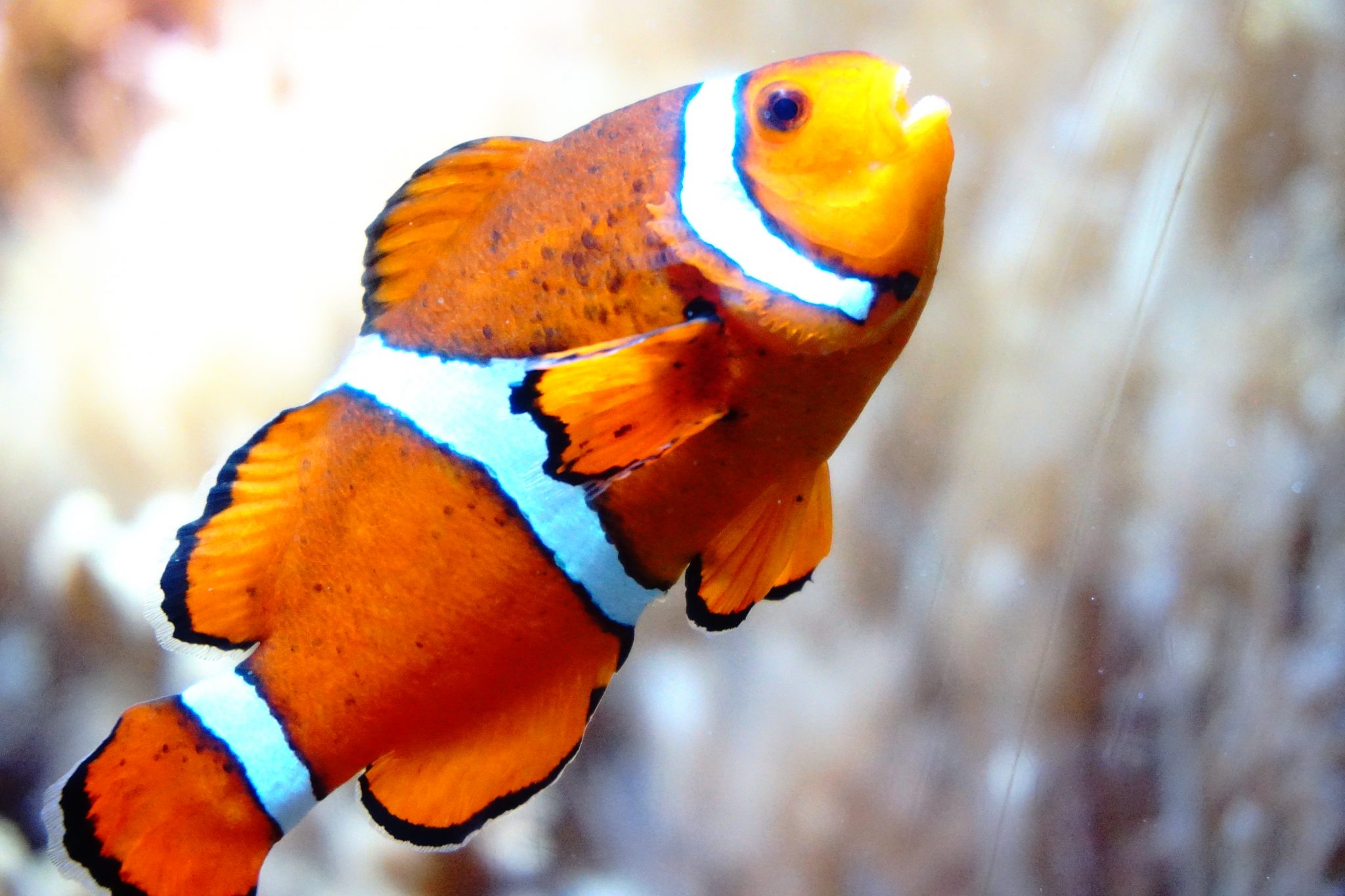
Clownfish swimming among coral in a saltwater aquarium
The best livestock choices start with the tank you already have.

Start with what you want to add

What Do You Want to Add to Your Tank?

Fish? Coral? A cleanup crew? Pick the group you are interested in and we will take it one step at a time. You do not need to figure out the entire tank today.

Fish

Fish are usually the first animals people get excited about, but that cute little fish at the store may not stay little—or peaceful.

  • How big will it get?
  • Will it get along with the other fish?
  • What order should you add everything?
Start here Help Me Choose Fish

Corals & Anemones

Corals can be a great next step. Anemones are different. They need a more established tank, stronger lighting, protected pumps, and a little more patience.

  • Does your tank have the right light and flow?
  • Where will it go as it grows?
  • Is the tank actually ready for an anemone?
Start here Help Me Choose Coral or an Anemone

Cleanup Crew

A cleanup crew can help, but only if you choose animals for the job your tank actually needs. More snails and crabs are not automatically better.

  • What are you trying to clean up?
  • How many animals do you really need?
  • Will there be enough food for them?
Start here Help Me Choose a Cleanup Crew

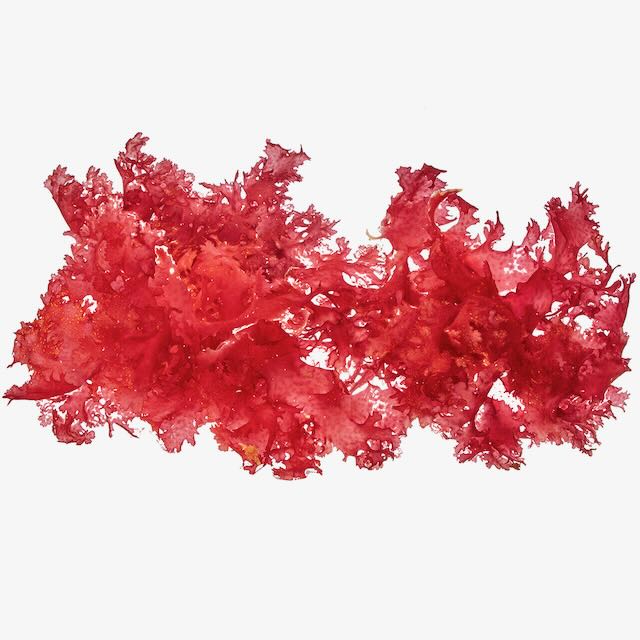
Macroalgae

Macroalgae can look great in the display or do useful work in a refugium. It can also grow everywhere if you choose the wrong kind or stop pruning it.

  • Do you want it for looks or filtration?
  • Where will it grow, and how will you control it?
  • Is this actually a nuisance algae problem instead?
Start here Help Me Choose Macroalgae

Other Invertebrates

Shrimp, urchins, sea stars, clams, and specialty crabs can be incredible animals. They also have very different diets, space needs, and levels of difficulty.

  • What exact animal are you buying?
  • What will it eat, and can it get hurt?
  • What will you do if it does not work out?
Start here Explore Shrimp, Urchins, Clams & More

Before you buy anything alive

Before You Buy Anything, Check These 8 Things

This is not a test. It is simply the list I would run through before bringing anything home. If one of these things is not ready, fix it first and come back.

1Do you know exactly what you are buying?Common names can be messy. Make sure you know the actual species, how big it gets, what it eats, and how it behaves.
2Has the tank settled down?The number of days since setup does not tell the whole story. Look for stable temperature, salinity, water tests, and normal animal behavior.
3How big will it get?The tiny animal at the store may grow quite a bit. Make sure your tank has room for the adult—not just the animal you are bringing home today.
4Does your tank have what it needs?Check the light, flow, sand, rock, hiding places, lid, and open swimming room. Different animals need very different homes.
5What will it eat?Make sure you can provide the right food and that the animal will actually get some before faster tankmates eat everything.
6Will it get along with everything else?Ask what it might bother, sting, pinch, eat, or bulldoze. Then turn that question around and ask what could hurt it.
7What happens when you bring it home?Have your quarantine, coral dip, inspection, acclimation, or observation plan ready before you buy the animal.
8What if it does not work out?Before you buy it, know whether you can separate it, return it, or responsibly rehome it if it will not eat, becomes aggressive, or outgrows the tank.

Look beyond the label

“Reef Safe” Does Not Mean Problem-Free

Here is the thing: a fish labeled peaceful can still bully a shy eater. A beginner coral can still sting the coral next to it. A snail can run out of food. An anemone can wander straight into a pump. The label is a starting point, but you still have to think about the whole tank.

Does it have enough room?Think about caves, sand, open water, attachment space, and how much room the animal will need when it is fully grown.
Will everybody get enough food?Some animals are slow eaters. Others steal everything. Make sure each animal can get the food it needs without starving something else.
Could anything get hurt?Fish bite. Corals sting. Urchins bulldoze. Anemones wander. Pumps can injure soft animals. Think through the real risks before you add anything.
What changes as it grows?A peaceful juvenile can become territorial. A tiny coral can reach its neighbor. A small urchin can move a surprising amount of rock. Plan for what happens later.
Does the order matter?It often does. Adding the more territorial fish last can make a huge difference, and some animals are much easier to add before the tank is crowded.
What will you do if it does not work?Make sure you can remove or rehome the animal without tearing apart the whole tank. Never release aquarium animals or algae into the environment.

You do not have to buy something today

Sometimes the Best Answer Is “Not Yet”

You do not need to leave this page with something to buy. You just need to know what makes sense next for your aquarium.

You are ready to compare animals

Your tank is stable, you know what the animal needs, and you have a plan for bringing it home. Great. Now compare the animals that actually fit.

Fix one thing first

Maybe the salinity is bouncing around, the light is wrong, the tank needs a lid, or two animals will not get along. Fix that one thing before you buy.

This one does not fit right now

Maybe the animal gets too big, needs food you cannot provide, or simply does not belong with what you already have. Pick something else or give the tank more time.

Not sure the tank is ready?

Start With These Guides

Is the aquarium ready?

Finish setting up the tank, make sure it is cycled, and learn what should happen next before you bring an animal home.

Finish Setting Up the Tank

What should you be testing?

Learn what to test, what the numbers mean, and why the way they change over time matters more than one random test.

Learn How to Test the Water

Can you keep up with the basic care?

Every animal adds a little more feeding, cleaning, testing, and observation. Make sure the routine still fits your life.

Learn How to Do a Water Change
Choosing an animal and treating a sick animal are two different jobs. If something looks wrong, start with the water, equipment, feeding, aggression, and recent changes. Do not jump straight to a medication because of one symptom.

Beginner questions

Saltwater Aquarium Livestock FAQ

What should I add first to a new saltwater aquarium?

There is no single first animal that works for every tank. Make sure the aquarium is cycled and stable, then look at the tank size, the animals you eventually want, and the food and habitat the first animal will need.

How long should I wait before adding fish or coral?

Do not rely on one calendar date. Make sure the cycle is complete, the temperature and salinity are stable, the equipment is working, and you can repeat the basic maintenance routine. Those things matter more than the number of days since you added water.

Can a cleanup crew fix an algae problem?

Sometimes the right snail, crab, or urchin can help with a specific problem. But first you need to identify what is growing and why. A cleanup crew cannot replace better lighting, nutrient control, manual removal, or regular maintenance.

Are anemones beginner livestock?

Not automatically. A Bubble-Tip Anemone needs a stable tank, appropriate light and flow, room to move, and protected pump intakes. And just so you know, clownfish do not need an anemone.

Does “reef safe” mean an animal will never cause a problem?

No. “Reef safe” is a useful starting point, but it is not a promise. The exact species, the individual animal, its adult size, how hungry it is, and what else lives in the tank can all change the answer.

Should I quarantine or inspect new livestock?

Yes, but the process depends on what you are buying. Fish quarantine is not the same as inspecting and dipping coral, and neither one is the same as observing an invertebrate or checking macroalgae for hitchhikers. Use the guide for the exact animal.

Before you bring it home

Make sure you can care for the animal after you buy it

A fish, coral, snail, or shrimp does not just need a safe tank today. It needs a routine you can keep doing next week and next month. Make sure testing, feeding, water changes, and basic equipment care are already part of the plan.