Beginner Saltwater Fish
Compare beginner fish and learn how adult size, diet, and temperament affect your choice.
Read the guide

Choosing livestock is one of the most exciting parts of building a saltwater aquarium. It is also where things can get complicated really fast if we buy first and ask questions later.
I built these guides to help you figure out what actually fits your tank, what can wait, and what I would skip. Start with the animal you are thinking about, and we will work through the important stuff together.
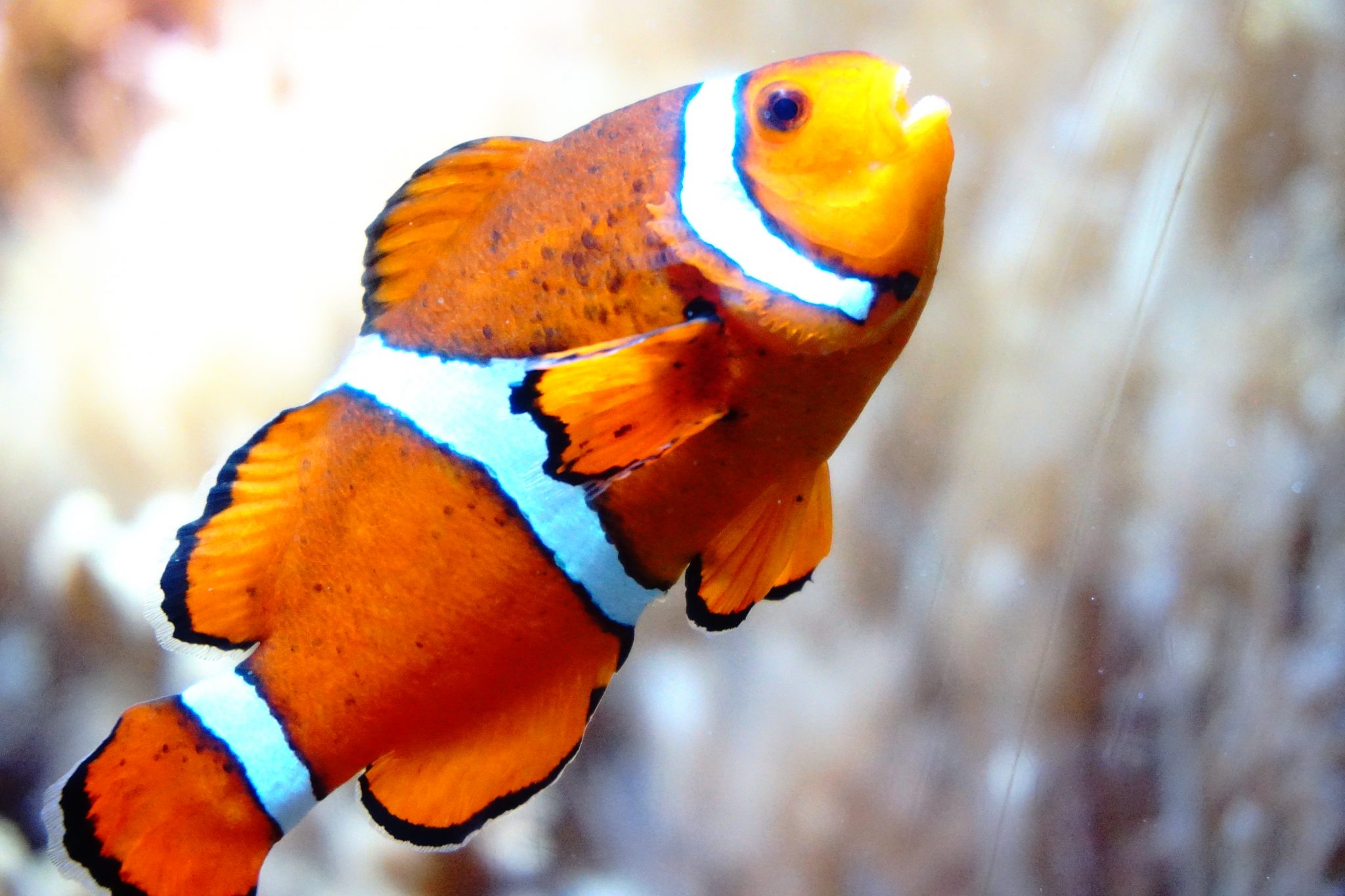
Browse the livestock guides
Choose a topic below and open the guide you need. Every card takes you straight to an article or a clearly labeled flashcard deck.
Choose your fish, plan the whole community, and prepare to bring them home.
Compare beginner fish and learn how adult size, diet, and temperament affect your choice.
Read the guide
Plan how many fish your aquarium can support by looking at the animals, habitat, and filtration together.
Read the guide
Build a compatible fish list and decide which fish to introduce first and which to add later.
Read the guideFind the right coral for your tank, learn about anemone care, and prepare for new arrivals.

Compare beginner corals and choose one that fits your lighting, flow, and available space.
Read the guide
Learn what my anemone failures taught me about stability and keeping bubble-tip anemones long term.
Read the guide
Learn how inspection, dipping, rinsing, and quarantine help reduce the risk of bringing coral pests home.
Read the guideStart with the work your tank needs done, then choose animals it can keep fed.

Choose snails, crabs, and other cleanup animals for the jobs and food your aquarium actually has.
Read the guide
Get to know shrimp, urchins, crabs, and other invertebrates through photos and basic care facts.
Explore the flashcardsLearn to recognize common macroalgae and marine plants with the identification flashcards below.
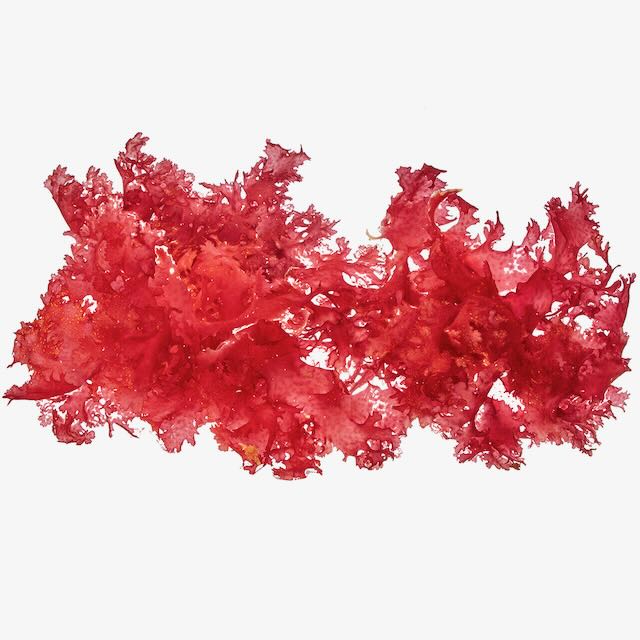
Learn to recognize common macroalgae and marine plants, with photos and introductory care notes.
Explore the flashcardsLearn the animals before you shop
Want a simple way to get better at identifying the animals you see at the fish store? Practice with flip cards for common saltwater fish, corals, macroalgae, cleanup crew members, and other invertebrates. Look at the photo, make your best guess, and then flip the card to check your answer.
Beginner questions
There is no single first animal that works for every tank. Make sure the aquarium is cycled and stable, then look at the tank size, the animals you eventually want, and the food and habitat the first animal will need.
Do not rely on one calendar date. Make sure the cycle is complete, the temperature and salinity are stable, the equipment is working, and you can repeat the basic maintenance routine. Those things matter more than the number of days since you added water.
Sometimes the right snail, crab, or urchin can help with a specific problem. But first you need to identify what is growing and why. A cleanup crew cannot replace better lighting, nutrient control, manual removal, or regular maintenance.
Not automatically. A Bubble-Tip Anemone needs a stable tank, appropriate light and flow, room to move, and protected pump intakes. And just so you know, clownfish do not need an anemone.
No. “Reef safe” is a useful starting point, but it is not a promise. The exact species, the individual animal, its adult size, how hungry it is, and what else lives in the tank can all change the answer.
Yes, but the process depends on what you are buying. Fish quarantine is not the same as inspecting and dipping coral, and neither one is the same as observing an invertebrate or checking macroalgae for hitchhikers. Use the guide for the exact animal.
Before moving on to Step 5
A fish, coral, snail, or shrimp does not just need a safe tank today. It needs a routine you can keep doing next week and next month. Make sure testing, feeding, water changes, and basic equipment care are already part of the plan.