Choose a purpose before a species

Saltwater Aquarium Macroalgae Guides

Macroalgae can be beautiful in the display, useful in a refugium, or even food for the right animal. But it is not something every saltwater tank automatically needs. Start by deciding what you want it to do.

I’ll walk you through the main options, what the algae needs to grow, where it should go, how much maintenance it creates, and what to check before you put it in the tank.

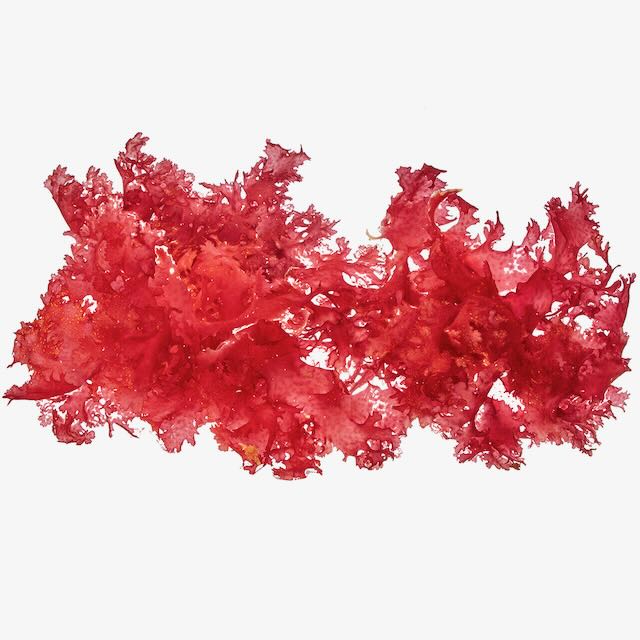
Red Dragon's Breath macroalgae with branching growth
Display macroalgae is chosen for appearance, placement, compatibility, and long-term control.
Ball of green Chaetomorpha macroalgae in a clear container
Refugium macroalgae must actually grow and be harvested to remove what it has absorbed.

Three ways to use macroalgae

Why Do You Want Macroalgae?

It is tempting to start with the prettiest species you can find. I would start with the job instead, because the best choice changes depending on whether it is going in the display, a refugium, or nowhere at all.

1

Grow it in the display

Choose this option when the macroalgae is part of the look of the aquarium. Color and shape matter, but you also need to know how it attaches, how fast it spreads, how often it needs pruning, and whether your animals will eat it.

  • You can dedicate a controlled area to it
  • The lighting fits both the macroalgae and nearby livestock
  • You are willing to prune and remove fragments

Compare display patterns

2

Grow it in a refugium

Choose this path when you have a suitable sump, all-in-one chamber, or hang-on-back refugium and want a separate place for macroalgae growth, harvest, and habitat.

  • The chamber has safe, usable space and water movement
  • You can light it without overheating or spilling excessive light
  • You will inspect growth and harvest routinely

Plan the refugium path

3

Wait or choose another method

Choose this path when you cannot provide the right location, light, nutrients, flow, compatibility, or maintenance—or when the real goal is to fix unwanted algae.

  • The aquarium is unstable or extremely nutrient-limited
  • Strong grazers are likely to consume the planned display
  • You cannot safely contain, prune, or dispose of the species

See the wait outcome

Before you buy

Can Your Tank Actually Support It?

Macroalgae is alive. It needs the right light, flow, nutrients, location, and maintenance. Buying a refugium light and tossing in a handful of algae does not guarantee that it will grow—or that it will lower nitrate and phosphate.

If you do not know whether one of these pieces will work, figure that out before you buy the algae.

Purpose and locationYou know whether the macroalgae will live in the display, a sump chamber, an AIO chamber, or a HOB refugium—and why.
Usable lightThe planned light reaches the growth area, can be controlled, and will not create an unsafe heat, moisture, or spill-light problem.
Water movement and spaceWater reaches the macroalgae without crushing it, blasting it loose, or allowing it to clog equipment and drains.
Available nutrientsThe aquarium is not being driven so nutrient-poor that the macroalgae is expected to grow without enough material to support new tissue.
Compatible livestockFish and invertebrates are unlikely to consume, uproot, bury, or constantly disturb the chosen growth pattern.
Pruning and disposal planYou can inspect it, remove dying material, harvest healthy growth, contain fragments, and dispose of it without releasing it outdoors or into plumbing.
No suitable chamber or controlled display areaWait. Do not force macroalgae into a pump compartment, overflow, or rockwork location where it cannot be managed safely.
The goal is to erase a nuisance outbreakIdentify the organism and correct the cause first. Macroalgae may be one optional export method, not a guaranteed cure.

Look at how it grows—not just how it looks

Common Macroalgae Options for Beginners

These are good places to start, but the exact species still matters. Make sure you know what you are buying, how it grows, whether it is legal where you live, and whether it fits your tank.

Green Chaetomorpha macroalgae formed into a loose ball

Refugium-first pattern

Chaetomorpha-type free-growing macroalgae

Chaetomorpha is commonly used in refugiums because it can remain separate from the display and be removed in portions. It still needs appropriate light, water movement, room, nutrients, and regular inspection.

  • Best fit: a controlled refugium chamber
  • Management: keep it from blocking equipment and remove unhealthy or excessive material
  • Watch for: stalled growth, trapped detritus, pests, fragmentation, or die-off

My take: choose it because the chamber and routine fit—not because “every reef tank needs Chaeto.”

Red Dragon's Breath macroalgae showing flame-shaped branches

Display-color pattern

Dragon’s Breath and decorative red macroalgae

Decorative red macroalgae can add movement and color, but a display specimen must remain where you want it and survive the aquarium’s grazers, lighting, flow, and pruning routine.

  • Best fit: a display or controlled compartment with compatible livestock
  • Management: secure or contain it and trim before it shades or drifts
  • Watch for: fish eating it, loose fragments, fading, detritus, and crowding

Decision check: if the aquarium’s animals treat it as food, that is a compatibility outcome—not a failed decoration.

Display, culture, or food pattern

Gracilaria and Ogo-type branching macroalgae

Gracilaria-type macroalgae may be used for appearance, separate culture, or as food for compatible herbivores. Those are different goals and should not be confused.

  • Best fit: a plan that clearly defines display, culture, or feeding
  • Management: provide appropriate light and water movement, then harvest deliberately
  • Watch for: rapid consumption, poor attachment, fragments, and declining tissue

Decision check: decide whether you are displaying it or growing food; the placement and success measure will change.

Fast, loose growth pattern

Ulva and sea-lettuce-type macroalgae

Broad, leafy macroalgae can be attractive and useful, but loose pieces may travel and many herbivores may eat it. Containment and the destination of fragments matter.

  • Best fit: a controlled display area or culture/refugium plan
  • Management: inspect attachment, contain loose tissue, and harvest before it reaches equipment
  • Watch for: grazing, drifting pieces, shading, and clogging

Decision check: do not choose a fast-growing pattern unless you can keep the growth where it belongs.

High-caution pattern

Caulerpa requires a legal and containment check

Caulerpa is not a casual beginner recommendation. Some species can spread from small fragments, grow aggressively, and face location-specific restrictions. Exact identification can also be difficult.

  • Check current local and state rules before possessing or purchasing it
  • Plan containment, fragment control, and disposal before it enters the aquarium
  • Never release aquarium plants, algae, animals, or water into natural waterways

Decision check: if you cannot confirm identity, legality, and safe containment, choose a different macroalgae pattern.

Review NOAA’s Caulerpa information

Outside this beginner comparison

Calcifying algae, seagrasses, and mangroves are different plans

Coralline algae is not a macroalgae stocking choice. Seagrasses and mangroves are not macroalgae at all. Calcifying display algae and specialized marine plant systems can add different chemistry, substrate, space, and husbandry requirements.

  • Do not combine unlike organisms into one “saltwater plants” shopping list
  • Do not assume a refugium guide covers a rooted seagrass system
  • Wait for a dedicated plan when the organism needs specialized care

Decision check: this V1 hub stays focused on manageable intentional macroalgae choices.

Useful, but not a magic filter

What Does Macroalgae Need in a Refugium?

Growing macroalgae can help use nitrate and phosphate, but the result depends on the species and your tank. You also have to harvest it. That is the point where the nutrients stored in the algae actually leave the system.

Light must reach the cropMatch the fixture, mounting, coverage, moisture safety, and schedule to the actual chamber. Start conservatively and adjust from observed growth rather than copying an unrelated aquarium.
Water must reach the tissueProvide useful water movement without pinning, shredding, or flushing the macroalgae into pumps, drains, and displays.
There must be something to grow fromMacroalgae needs available material to build new tissue. Stalled growth in an extremely nutrient-limited system is not proof that the plant is still exporting nutrients.
Healthy growth must be harvestedRemove a measured portion of healthy growth while keeping enough viable material to continue the plan. Remove declining tissue before it breaks down in the aquarium.
The chamber must remain functionalInspect drains, pumps, baffles, baskets, detritus buildup, pests, and spill light. Macroalgae cannot be allowed to compromise life-support equipment.
Results must be observedTrack growth, color, structure, harvest amount, nutrient trends, and the rest of the aquarium. Change only one major variable at a time when possible.

Watch it, trim it, and adjust

Macroalgae Still Needs a Routine

Macroalgae is not completely set-it-and-forget-it. The work may be simple, but somebody still has to watch it, trim it, remove loose pieces, and make changes when growth slows down.

Success is controlled, healthy growth that still fits the aquarium—not simply the fastest growth possible.

1. Inspect the whole growth areaLook for healthy tissue, fading, whitening, dark or soft sections, trapped detritus, pests, loose fragments, shading, and contact with equipment.
2. Confirm water and light accessMake sure new growth has not blocked flow, shaded the center, shifted away from the light, or collected against a pump or drain.
3. Remove declining materialDo not leave obviously dying tissue to break apart and decompose. Diagnose the cause before assuming the remaining crop is working normally.
4. Harvest intentionallyRemove a portion when the growth is healthy and space is filling. Avoid stripping the chamber or display so aggressively that the plan has to restart.
5. Contain every fragmentCollect loose tissue during pruning. Do not rinse aquarium macroalgae into sinks, drains, toilets, yards, beaches, or natural water.
6. Record the resultNote growth, harvest amount, equipment changes, nutrient trends, and livestock response. Use the pattern to decide whether to continue, adjust, or stop.

Compatibility, hitchhikers, and safe disposal

Check What Comes With It—and Never Release It

A healthy-looking clump can still be mislabeled, get eaten immediately, or bring unwanted hitchhikers into the tank. Inspect it carefully, know where it came from, and have a safe plan for anything you remove.

Livestock compatibility

  • Confirm whether the aquarium’s fish and invertebrates are likely to graze or uproot it
  • Consider whether the macroalgae can shade coral, trap detritus, or occupy swimming and maintenance space
  • Do not use “reef safe” as a substitute for checking both directions of the interaction

Sourcing and hitchhikers

  • Buy accurately identified material from a source that can explain what it is
  • Inspect for nuisance algae, pest anemones, flatworms, snails, eggs, crabs, and declining tissue
  • Use an arrival and observation process that does not destroy the intended macroalgae

Fragment and equipment control

  • Keep loose material away from overflows, pumps, drains, and intakes
  • Do not place spreading forms where removal would require dismantling the aquascape
  • Keep tools, baskets, and harvest containers dedicated and easy to clean

Never release aquarium macroalgae

Do not release, flush, compost outdoors near water, or dump aquarium macroalgae, animals, or water into the environment. Seal unwanted material for disposal according to current local guidance, and verify location-specific rules before purchase.

Review NOAA’s current Caulerpa and disposal guidance

Macroalgae is different from nuisance algae

Adding Macroalgae Is Not the Same as Fixing an Algae Problem

This hub helps you decide whether to add macroalgae on purpose. It does not reclassify every photosynthetic organism or every aquarium growth as livestock.

Use Macroalgae Guides when…You want to add a known macroalgae to the display, refugium, or culture plan and are deciding whether it fits.
Use the nuisance-algae guide when…You are trying to identify or remove diatoms, film algae, hair algae, bubble algae, turf algae, Bryopsis, cyanobacteria, dinoflagellates, or another unwanted growth.
Treat algae scrubbers as equipmentAn algae scrubber is a filtration method and hardware decision, not a macroalgae species card.
Keep specialized plants separateSeagrasses and mangroves are not macroalgae. Coralline algae and calcifying display algae also need different decision paths.

So, what should you do next?

Choose the Option That Fits Your Tank

Choose based on the tank you have today. Do not buy macroalgae and hope it turns the aquarium into a different system.

Choose a controlled display pattern

You have a clear visual or feeding purpose, a managed location, compatible livestock, suitable light and flow, and a plan to prune and contain fragments.

Next: choose one well-identified pattern, start with a controlled amount, and observe before expanding.

Review display choices

Choose a refugium pattern

You have a safe chamber, appropriate light and water movement, enough space, a realistic maintenance routine, and a reason to cultivate and harvest macroalgae.

Next: choose the crop pattern first, then the light and chamber equipment that support it.

Compare refugium lights

Wait or use another method

The aquarium is unstable, the purpose is unclear, the location is unsafe, compatible light or nutrients are missing, livestock will eat it, or legal and containment questions remain.

Next: correct the missing condition or choose a different maintenance/export approach. Waiting is a complete result.

Solve an algae problem instead

Useful guides that already exist

Keep Going With the Guide You Need

These guides cover the next practical step, whether you are choosing a refugium light, dealing with nuisance algae, or still setting up the tank.

Refugium and sump background

See how HOB and in-sump refugiums connect with the rest of a saltwater aquarium system.

Open the refugium overview

HOB filters and refugiums

Compare hang-on-back approaches when a sump is not part of the aquarium.

Compare HOB options

Recommended water parameters

Review the broader stability targets that should already be part of the aquarium routine.

Review water parameters

Saltwater tank setup

Return to the setup paths when location, filtration, lighting, or aquarium stability still needs to be solved.

Open the setup guides

Common beginner questions

Macroalgae FAQ

Does every saltwater aquarium need macroalgae?

No. Macroalgae is one optional livestock and filtration choice. A tank can be successful without display macroalgae or a refugium when another sound maintenance and nutrient-management plan fits the system.

Will adding Chaetomorpha automatically lower nitrate and phosphate?

No result is automatic. The macroalgae must remain healthy, receive suitable light and water movement, have available nutrients, grow, and then be harvested. Species and aquarium conditions change the result.

Should I choose the refugium light before the macroalgae?

Choose the purpose, chamber, and macroalgae pattern first. Then choose a light that safely fits the actual chamber and crop. Buying the strongest light without understanding the location is not a complete plan.

Can I put decorative macroalgae in a tank with tangs or other grazers?

Possibly, but the macroalgae may become food. Check the exact animals and algae, then decide whether consumption is acceptable. A beautiful species is not a useful display choice when the aquarium’s livestock immediately removes it.

Is Caulerpa safe for a beginner reef tank?

This guide does not treat Caulerpa as a routine beginner recommendation. Identification, aggressive growth, fragmentation, environmental risk, and location-specific rules make a legal and containment review essential. Choose another pattern when those questions are not fully resolved.

How should I dispose of unwanted macroalgae?

Never release or flush it. Contain the material and follow current local guidance for sealed disposal. Avoid any route that could carry living fragments, aquarium water, or hitchhikers into natural waterways.

Why these boundaries are here

Sources Behind the Macroalgae Plan

This is still a beginner decision guide, not a research paper. These sources support the important boundaries: macroalgae takes up nutrients while it grows, results vary with conditions, harvest removes the cultivated biomass, hitchhikers can travel with aquarium plants, and location-specific Caulerpa rules and disposal instructions matter.

Chaetomorpha nitrogen uptake

A controlled study found that nitrogen supply and the algae’s internal nitrogen pools affect uptake and growth. That is why this page does not promise a fixed nitrate result.

Read the Chaetomorpha study

Macroalgae nutrient removal

Laboratory work with Chaetomorpha and related macroalgae shows that biomass, acclimation, species, and culture conditions change nutrient-removal performance.

Review the nutrient-removal study

Caulerpa rules and disposal

NOAA documents current West Coast restrictions, fragment risk, reporting information, and specific aquarium-water and solid-material disposal guidance.

Open NOAA’s Caulerpa guidance

Aquarium-plant hitchhikers

A 2025 USGS-supported review describes aquarium plants as a pathway that can move unintended hitchhiking organisms along with the plant being purchased.

Read the USGS publication record

Before you bring it home

Macroalgae still needs testing and trimming

Macroalgae can be useful, but it is not maintenance-free. Watch nutrients, keep the light and flow appropriate, remove dying material, and trim it before it becomes a new problem.