20-gallon saltwater aquarium build
How to Build a 20-Gallon Saltwater Aquarium
I am not going to pretend this exact setup still costs $700.
The old version of this guide was built around a fixed price. Prices change, and a real aquarium budget has to include water, testing, rock, sand, maintenance tools, and livestock—not just the glass tank and the exciting gear.
What I can give you is a complete 20-gallon plan: what I would buy first, what can wait, and where I would spend the money so the aquarium is stable and easy to maintain.
Affiliate disclosure: This article contains Impact affiliate links. If you purchase through one, I may earn a commission at no additional cost to you. I have kept the recommendations focused on equipment I use, have used, or trust for this type of build.
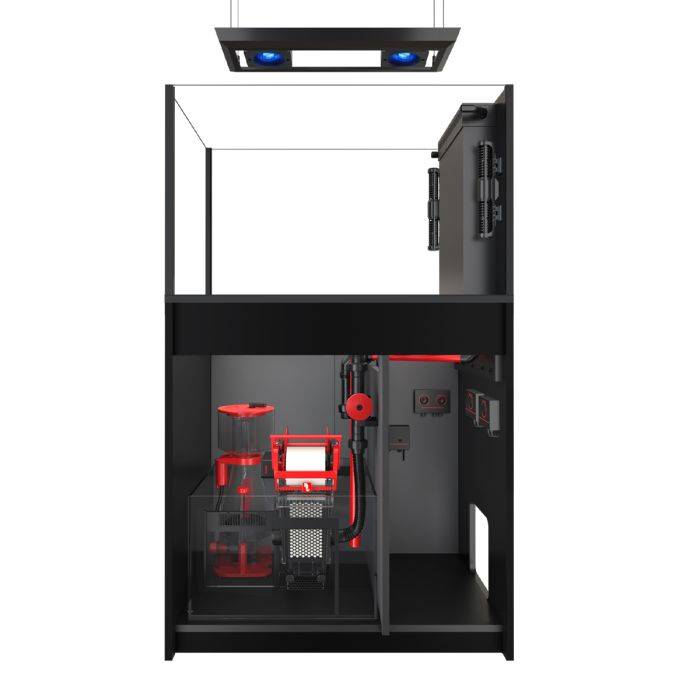
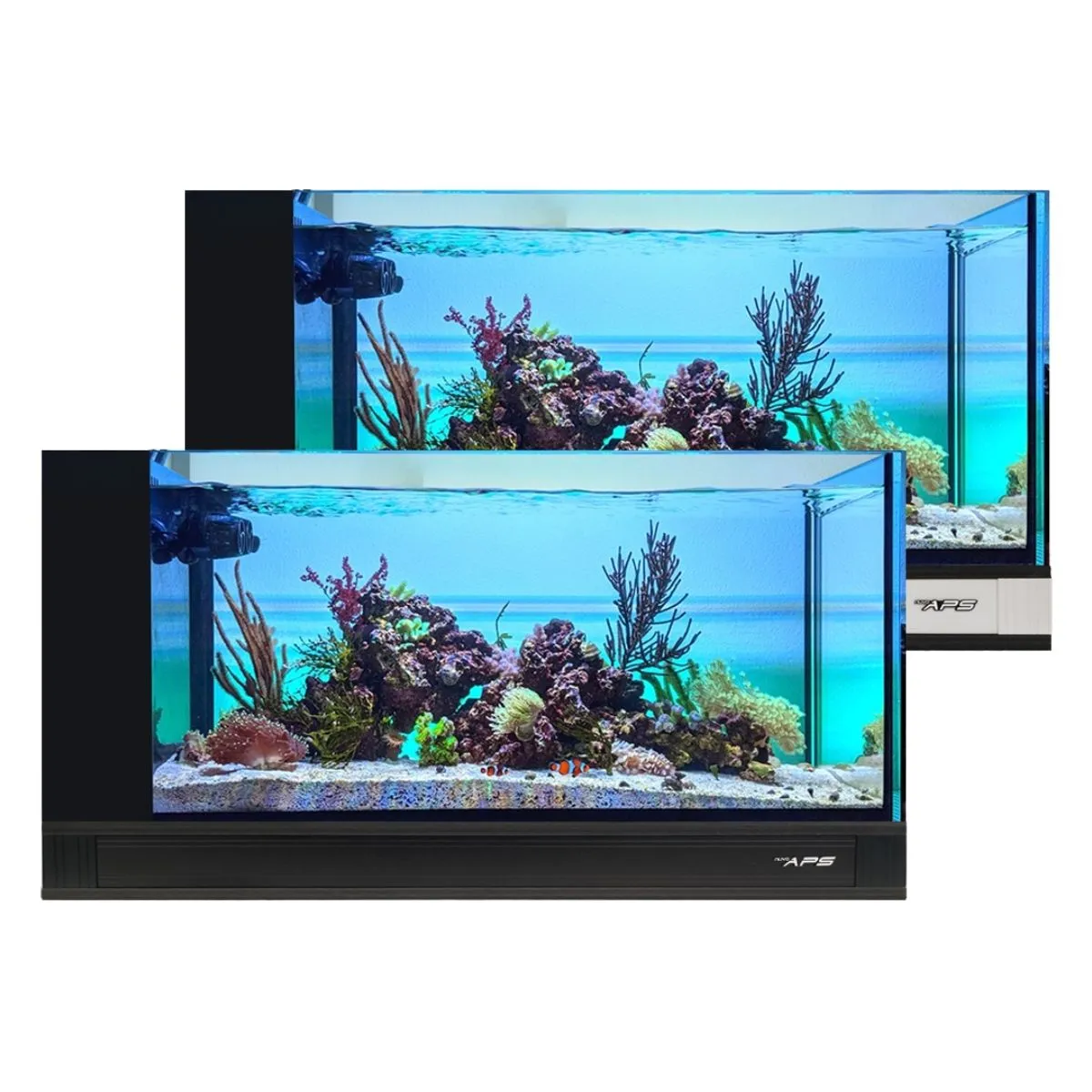
Start with the Innovative Marine 20 Peninsula.
I have owned this style of Innovative Marine peninsula aquarium, and I like the long viewing angle, the quality of the glass and aluminum pedestal, the useful rear filtration chamber, and the included DC return pump. Twenty gallons is still small enough to manage, but it gives you noticeably more room than a desktop nano.
Best for: a beginner who wants a clean all-in-one layout and enough room for a thoughtful fish and beginner-coral plan.
Main trade-off: it is an aquarium platform, not a complete reef system. You still need lighting, heat control, rock, sand, testing, source water, and maintenance tools.
Buy in the right order
What you need before water goes in—and what can wait.
| Buy before setup | Buy before livestock | Add later when the tank needs it |
|---|---|---|
| Tank and level stand Heater and controller Rock and optional sand RO/DI water or trusted local water Salt mix if mixing at home |
Salinity tester Cycle test kit Thermometer Siphon and buckets Algae scraper and basic cleaning tools |
Additional wavemaker Reef-capable lighting for coral Calcium and alkalinity testing Protein skimmer Automation and specialized filtration |
Core equipment
The gear I would buy for the initial setup.

Lighting: choose it for the livestock
A fish-only aquarium only needs a predictable day and night. If you plan to keep coral, I like the AI Blade Coral Grow because it has a low profile, includes tank-rest mounts, and gives a wider spread than a single puck-style light.
Do not buy the Glow by itself. Pair it with a Grow only when you want more blue fluorescence.

Heat: use a heater and controller
Choose wattage from the manufacturer’s guidance for your water volume and coldest room conditions. I have used Eheim Jager heaters for years, but they are glass and they can fail. A separate controller is the layer that turns the heater off if it sticks on.

Salinity: keep it simple and repeatable
I still use a basic refractometer with calibration fluid. It lasts forever, is easy to read, and does not need batteries. Top off evaporation with fresh RO/DI water, not saltwater.

Testing: buy what you actually need
During the cycle, I use the API Saltwater Master Test Kit for ammonia and nitrite. Once the aquarium has coral consuming minerals, alkalinity, calcium, nitrate, and phosphate become more useful. You do not need every tester on day one.

Rock: use nano-sized shapes
For a 20-gallon aquarium, I would buy more rock than I expect to use so I have choices. Nano arches and smaller pieces are much easier to work with than large, dense rocks that have to be broken apart.
Sand: choose grain size for the flow
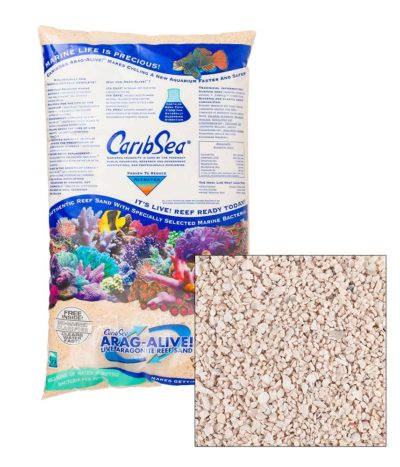
Sand is optional unless your livestock needs it. Fine sand looks great but blows around more easily. A slightly larger grain is easier to live with when you add stronger flow.

Source water: buy it or make it
For a 20-gallon aquarium, buying premixed saltwater and fresh RO/DI top-off water can be practical. A home RO/DI system becomes worthwhile when convenience and control matter more than the initial cost.

Water-change tools: control the flow
A small siphon, bucket clip, clearly labeled containers, towels, and premixed replacement water make maintenance much easier. A large gravel vacuum can empty a 20-gallon aquarium faster than you think.
Water-change walkthrough
Five ways to start a siphon safely.
You never need to start an aquarium siphon with your mouth. This video shows the methods I use to get water moving while keeping the process controlled.
The failure I plan for
Every aquarium heater can fail.
I have owned many glass heaters, and I have had them fail. Use the video with the temperature-controller guide to build a system that gives you an alarm and a second layer of shutoff protection.
Salinity basics
Measure before making corrections.
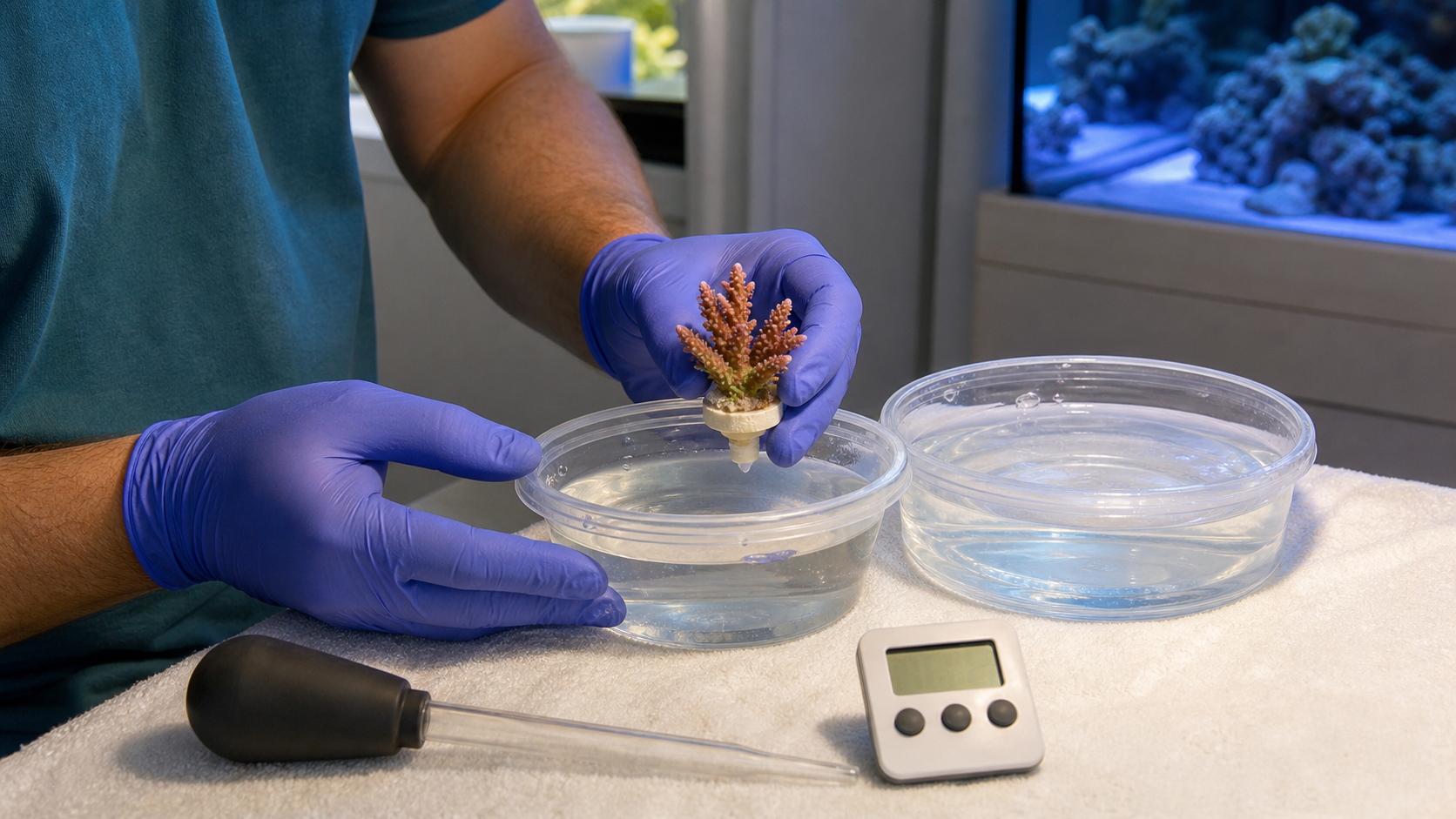
Salinity changes as fresh water evaporates. Calibrate the tool, test new saltwater before it goes into the aquarium, and make corrections slowly rather than reacting to one surprising number.
RO/DI at home
The convenience becomes the real value.
Making water at home means you always have fresh top-off water and can mix saltwater on your schedule. It is not mandatory for a 20-gallon aquarium, but it can be one of the upgrades that makes maintenance far easier.
Maintenance equipment
The small tools I would not leave out.

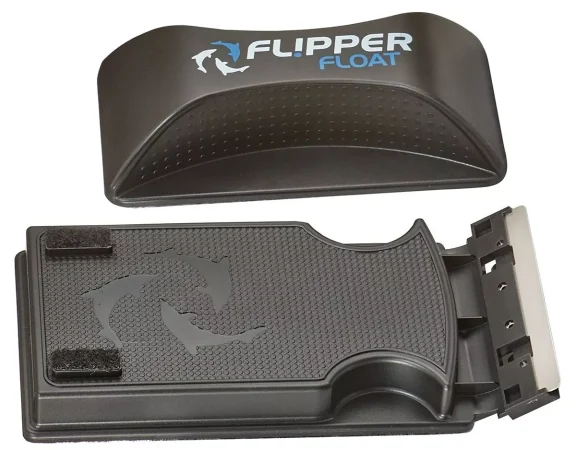
Handheld algae scraper
A handheld scraper reaches corners and the back panel that a magnetic cleaner may miss. Match the blade to glass or acrylic and keep it away from the sand.

Temperature controller
I prefer a dual-stage controller because I can plug a heater into one outlet and a cooling fan into the other. The local alarm matters even if you never connect the Wi-Fi.
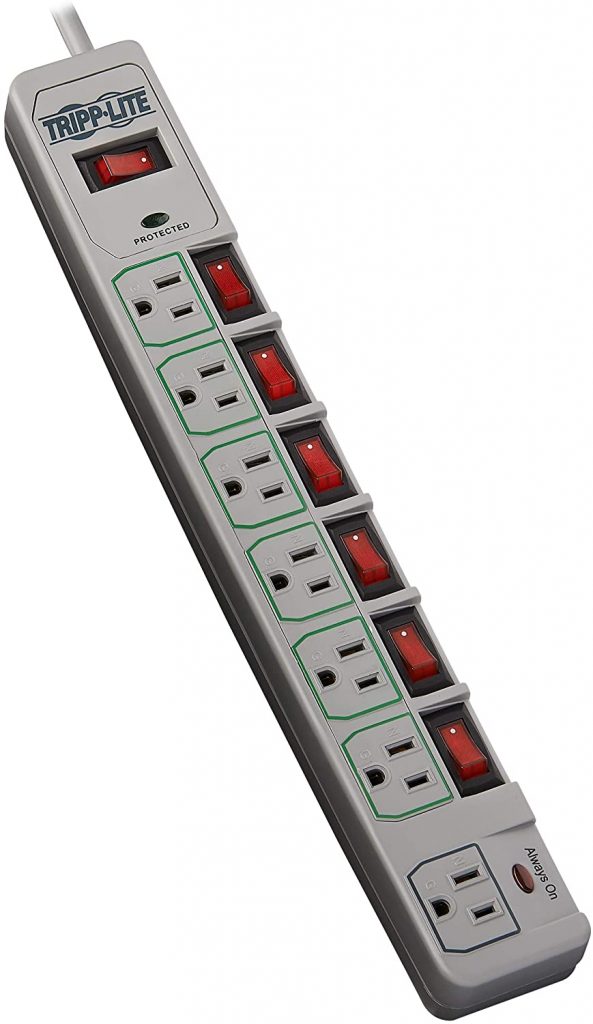
Safe power management
Use drip loops, keep connections above the floor and away from splashes, label the plugs, and use GFCI protection. A smart power strip is useful for feed mode and maintenance, but it does not replace electrical safety.
Later upgrades
Do not buy these until the aquarium plan calls for them.

Additional wavemaker
The return pump may be enough for a new fish-only aquarium. Add a controllable wavemaker when corals, the aquascape, or detritus settling show that you need more varied flow.

Salt mix at home
Buying premixed water may make sense at first. If you mix at home, choose a salt that matches your parameter goals and storage routine. I use Tropic Marin Pro Reef because it mixes clean.
Advanced testing
Calcium and alkalinity are not cycling priorities. Add them when stony corals or coralline algae are consuming enough to make the result useful for a dosing or water-change decision.
20-gallon setup FAQ
Questions I would answer before ordering.
Can a complete 20-gallon saltwater aquarium still cost exactly $700?
Maybe, depending on the tank, used equipment, local water prices, and livestock plan—but I would not promise it. Price the finished system with maintenance tools and water included, then check every live product page before buying.
How many fish can I keep?
There is no reliable fish-per-gallon rule. Adult size, behavior, territory, oxygen demand, filtration, and the exact combination matter more. Use my saltwater fish stocking guide.
Do I need a protein skimmer?
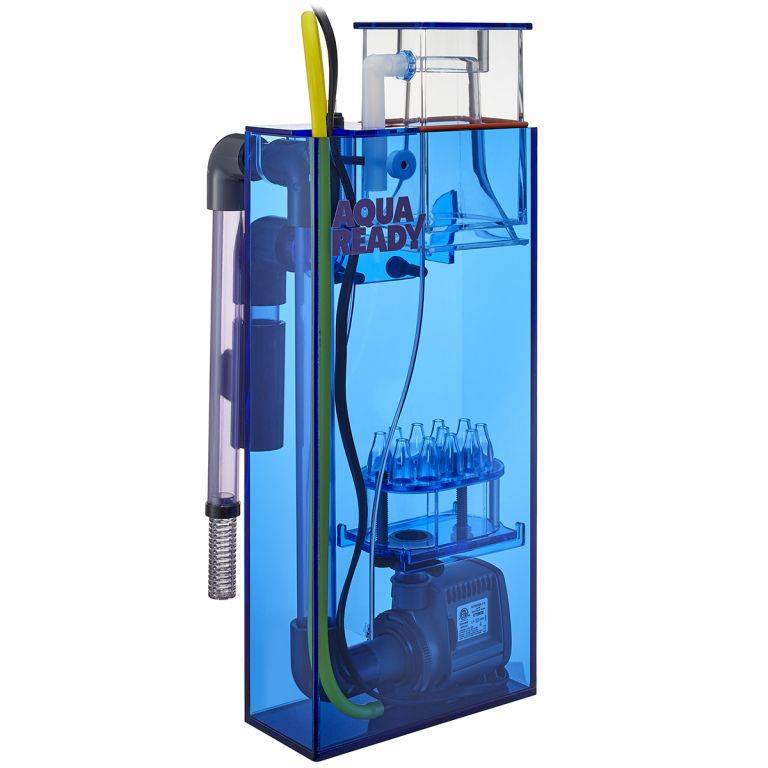
Not automatically. Sensible feeding, mechanical filtration you clean regularly, and consistent water changes may be enough. Add a nano or HOB skimmer when the actual nutrient load justifies it.
Can I put the aquarium on a desk?
Only when the furniture is level, water resistant, and genuinely rated for the finished load. Water alone weighs about 8.34 pounds per gallon before the tank, rock, sand, and equipment are added.
Do I need coral lighting immediately?
No. A fish-only aquarium needs a viewing light and day/night schedule. Buy reef lighting when the coral plan requires it rather than spending the maintenance budget on future livestock.
Choose the next step
Pick the tank first, then build the shopping list around it.
If you want other tank shapes or a more complete kit, compare the aquariums I have actually used and recommend. If you are still deciding how much to spend, compare the three affordable build paths before buying anything.